In today’s rapidly evolving safety landscape, becoming a certified Fire Safety Engineer is more crucial than ever. With stricter regulations and increasing emphasis on risk management, mastering the certification exams opens doors to rewarding career opportunities.
If you’ve been wondering how to navigate the complexities of these tests, you’re in the right place. This guide will walk you through proven strategies that blend practical experience with exam-focused insights.
Stick around to discover how you can confidently prepare, avoid common pitfalls, and turn your certification goals into reality.
Building a Strong Foundation: Understanding Core Fire Safety Principles
Grasping Fire Behavior and Combustion Basics
Getting a solid handle on how fire behaves is absolutely crucial. When I first started studying, I underestimated the importance of knowing the combustion process inside and out.
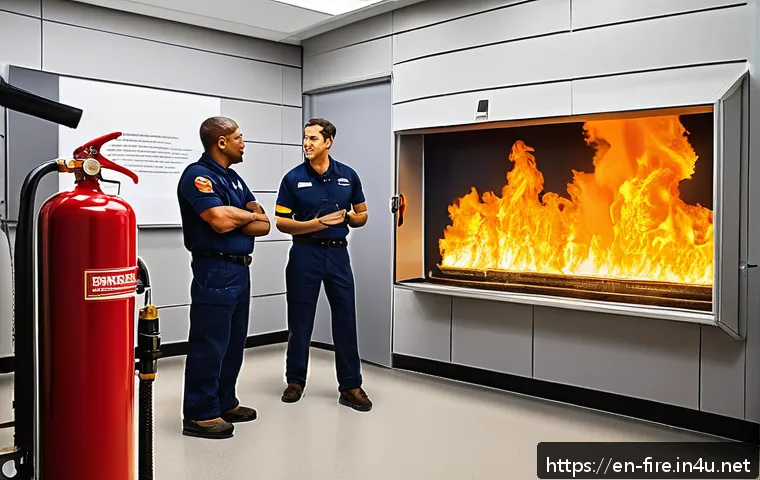
Fire isn’t just flames; it’s a complex chemical reaction involving heat, oxygen, and fuel. By understanding this, you can predict fire spread patterns, which is often tested in the exams.
Visualizing how heat transfers through conduction, convection, and radiation helped me remember key concepts better than rote memorization ever could.
Plus, relating these principles to real-life fire incidents made the material stick.
Mastering Fire Prevention Techniques
Fire prevention isn’t just about rules—it’s about proactive thinking. I found that breaking down prevention into categories like engineering controls, administrative policies, and personal behaviors made it easier to grasp and recall.
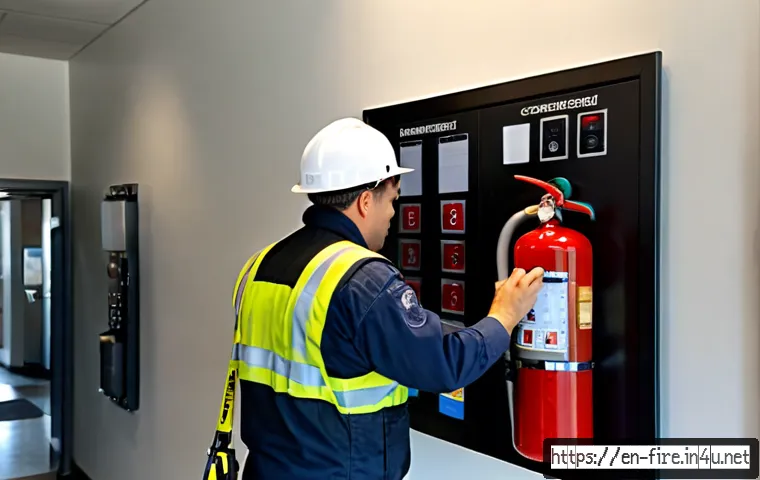
For example, knowing how sprinkler systems operate and the role of fire-resistant materials became second nature after I linked them to everyday safety audits.
When exam questions asked about risk reduction methods, I wasn’t scrambling because I had mentally rehearsed these scenarios many times during my study sessions.
Decoding Fire Safety Codes and Standards
Navigating through fire safety codes can feel overwhelming, but it’s absolutely essential for certification success. What worked for me was focusing on the most commonly referenced codes like NFPA standards and local building regulations relevant to my region.
I created quick-reference sheets summarizing the key points, which helped me during my last-minute reviews. Understanding why these codes exist and how they apply in practical situations made me more confident in answering scenario-based questions that often trip up candidates.
Strategic Study Planning to Maximize Retention and Efficiency
Creating a Realistic Study Schedule
When I sat down to prepare, the biggest challenge was balancing study time with my full-time job. Crafting a realistic, flexible schedule was a game-changer.
I broke down topics into manageable chunks and allocated more time to my weak areas. This prevented burnout and helped maintain steady progress. Instead of cramming, I spaced out my sessions to improve retention.
Tracking my progress weekly kept me motivated, and I adjusted my plan based on which subjects needed extra attention.
Utilizing Diverse Study Resources
Relying on just one study material isn’t enough. I combined textbooks, online courses, practice exams, and interactive workshops. This mix kept the learning process engaging and catered to different learning styles.
Practice exams were especially valuable—they revealed gaps in my knowledge and helped me get comfortable with the exam format. Joining study groups also allowed me to exchange tips and clarify doubts, which deepened my understanding far beyond solo study.
Implementing Active Learning Techniques
Passive reading never cut it for me. I adopted active learning methods like summarizing chapters aloud, teaching concepts to a friend, and drawing diagrams of fire safety systems.
These activities forced me to process information deeply and identify areas that weren’t clear. Flashcards with key terms and definitions became my go-to during commutes.
Engaging multiple senses during study helped cement the information in my memory, making exam day less stressful.
Mastering Practical Applications and Real-World Scenarios
Connecting Theory to On-Site Fire Safety Practices
Theory without practice feels hollow. I made it a point to visit local fire stations and industrial sites when possible to see fire safety measures in action.
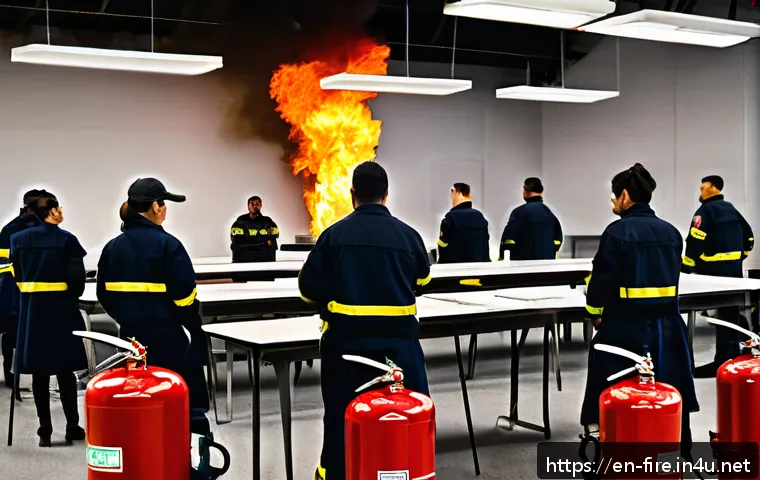
Observing fire detection systems, alarm protocols, and evacuation drills gave me concrete examples to relate to exam questions. These real-world experiences made technical jargon more relatable and easier to recall under pressure.
It also highlighted the nuances that textbooks often miss, such as human behavior during emergencies.
Simulating Exam Conditions with Practice Tests
Timed practice tests helped me build stamina and refine time management, which are critical on exam day. Early on, I scored below passing, but each attempt sharpened my focus.
I reviewed every mistake thoroughly instead of just moving on. This iterative process uncovered patterns in the types of questions asked and common traps to avoid.
I also practiced writing concise, clear explanations since some exams require short essays or justification of answers.
Learning from Experienced Fire Safety Professionals
Networking with certified engineers and attending webinars exposed me to insider insights and emerging trends. Their firsthand stories about challenges faced on the job enriched my understanding and made the certification feel more attainable.
I often asked about the skills they found most valuable, which guided my study priorities. Their advice on balancing technical knowledge with communication and leadership skills was eye-opening and highly applicable to the exam’s practical components.
Effective Time and Stress Management During Preparation
Establishing Healthy Study Habits
Maintaining mental and physical health is vital when preparing for a demanding exam. I developed routines that included regular breaks, exercise, and mindfulness practices to keep stress levels manageable.
Power naps and hydration became part of my study ritual. This holistic approach improved my concentration and prevented burnout. I noticed that on days I felt mentally refreshed, I absorbed complex topics much faster.

Using Mindfulness and Relaxation Techniques
Exam anxiety can sabotage even the best-prepared candidates. To counter this, I practiced breathing exercises and visualization techniques before study sessions and simulated exams.
Imagining myself calmly answering questions under time constraints helped reduce panic. These techniques also enhanced my focus and resilience, especially during the final weeks leading up to the test.
I recommend integrating them early rather than waiting until stress peaks.
Prioritizing Sleep and Nutrition
Neglecting sleep is a common mistake, but it’s counterproductive. I made sure to get at least seven hours of quality sleep each night, especially before practice tests and the actual exam day.
Eating balanced meals rich in protein and omega-3s supported brain function and energy levels. Avoiding excessive caffeine and sugar prevented crashes and jitteriness.
These simple lifestyle choices had a surprisingly big impact on my cognitive performance and mood stability.
Understanding Exam Structure and Question Patterns
Breaking Down the Exam Format
Familiarity with the exam layout reduced my anxiety significantly. The test usually includes multiple-choice questions, scenario analyses, and sometimes short essays.
Knowing how much time to allocate per section helped me pace myself effectively. I created a checklist of question types and matched them with study topics to ensure comprehensive preparation.
During practice, I simulated this structure to get comfortable with switching between question formats.
Identifying Frequently Tested Topics
Some topics consistently appear across exam versions. Fire dynamics, safety codes, risk assessment, and emergency planning are staples. I paid extra attention to these areas, reviewing them multiple times.
Recognizing patterns in past exams allowed me to anticipate what might come up and focus my revision accordingly. This strategic approach increased my confidence and efficiency when tackling the actual exam.
Developing Answering Techniques for Complex Questions
Complex scenario questions often require applying multiple concepts simultaneously. I learned to dissect the question carefully, underline key points, and outline my response mentally before writing.
For multiple-choice questions, eliminating obviously wrong answers improved my odds when guessing was necessary. Practicing this disciplined approach prevented impulsive answers and helped me score higher on challenging sections.
Leveraging Technology and Online Communities for Enhanced Learning
Using Digital Tools for Interactive Learning
Apps and online platforms offer interactive quizzes, flashcards, and video tutorials that made studying more dynamic for me. These tools allowed me to test my knowledge anytime, anywhere, and receive instant feedback.
The gamification elements kept me engaged and motivated during long study hours. Integrating technology also helped me track progress and identify weak spots efficiently.
Participating in Online Forums and Study Groups
Joining online communities connected me with fellow candidates and professionals worldwide. Sharing resources, discussing tricky questions, and exchanging tips created a supportive learning environment.
Sometimes, just knowing others were facing the same challenges was encouraging. These groups also provided access to updated exam information and new study materials that I might have missed otherwise.
Accessing Webinars and Expert Talks
Live webinars and recorded expert talks offered insights beyond textbooks. I gained exposure to current industry standards, emerging risks, and case studies directly from seasoned fire safety engineers.
These sessions often included Q&A segments where I could clarify doubts in real-time. Incorporating these resources into my study plan added depth to my knowledge and improved my ability to think critically during the exam.
| Study Strategy | Benefits | Personal Experience |
|---|---|---|
| Active Learning (Summarizing, Teaching) | Improved retention, deeper understanding | Helped me remember complex concepts and stay engaged |
| Practice Exams | Familiarity with format, time management | Reduced anxiety and highlighted weak areas |
| Real-World Observation | Applied theory to practice, enhanced recall | Seeing fire safety systems in action made concepts tangible |
| Mindfulness Techniques | Reduced exam stress, improved focus | Kept me calm and sharp during prep and test day |
| Online Communities | Resource sharing, motivation | Connected me to a network of support and updated info |
Closing Thoughts
Building a strong foundation in fire safety principles is key to both exam success and real-world application. Combining theoretical knowledge with practical experience makes the learning process more meaningful and memorable. By adopting effective study habits and leveraging available resources, anyone can confidently prepare for certification. Remember, persistence and a balanced approach will lead to lasting mastery and professional growth.
Useful Information to Keep in Mind
1. Consistently review core fire behavior and prevention techniques to reinforce understanding.
2. Incorporate active learning methods like teaching others and summarizing concepts aloud.
3. Use practice exams not only to test knowledge but to improve time management and reduce anxiety.
4. Engage with online communities and expert talks to stay updated on industry trends and exam changes.
5. Prioritize your well-being through proper sleep, nutrition, and stress management for optimal study performance.
Key Takeaways
Understanding fire safety requires more than memorization; it demands connecting theory with real-life scenarios and hands-on practice. Effective preparation hinges on strategic planning, diverse learning methods, and managing stress throughout the process. Familiarity with exam structure and common question patterns can greatly boost confidence and performance. Lastly, leveraging technology and community support enriches your study experience, making success achievable and sustainable.
Frequently Asked Questions (FAQ) 📖
Q: uestionsQ1: What are the key topics I should focus on when preparing for the Fire Safety Engineer certification exam?
A: Based on my experience and feedback from others who’ve passed, it’s essential to prioritize understanding fire dynamics, risk assessment techniques, fire prevention methods, and relevant safety codes and standards.
Practical knowledge of emergency response planning and fire protection system design also plays a big role. Instead of trying to memorize everything, focus on how these concepts apply in real-world scenarios.
That approach not only helps with retention but also prepares you for situational questions that often come up in the exams.
Q: How can I effectively balance practical experience with studying for the certification test?
A: From what I’ve seen, blending hands-on experience with focused study sessions works best. If you’re currently working in the field, try to connect your daily tasks to the exam topics.
For example, when you encounter a fire safety challenge on site, take a moment to review how the theory you’re studying explains the situation. Also, using case studies or simulation exercises can bridge the gap between book knowledge and practical application.
Setting a study schedule that includes time for reflection on real incidents will make your preparation much more meaningful and less stressful.
Q: What are some common mistakes candidates make when preparing for the Fire Safety Engineer certification, and how can I avoid them?
A: One common pitfall is underestimating the depth of the exam content and focusing too much on superficial details. Many candidates rush through study materials or rely solely on memorization without understanding underlying principles.
Another mistake is neglecting the updates in fire safety codes and regulations, which are frequently revised. To avoid these, start your preparation early, use multiple study resources, and make it a habit to review the latest industry standards regularly.
Lastly, don’t overlook practice exams—they’re invaluable for identifying weak spots and building confidence before the real test day.