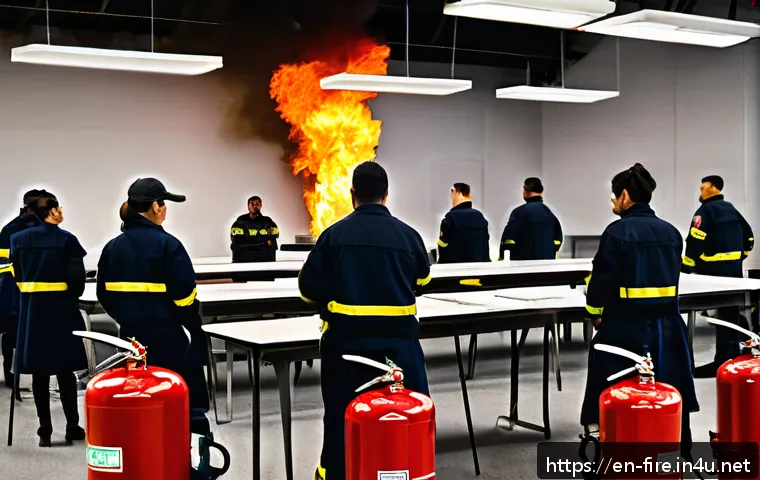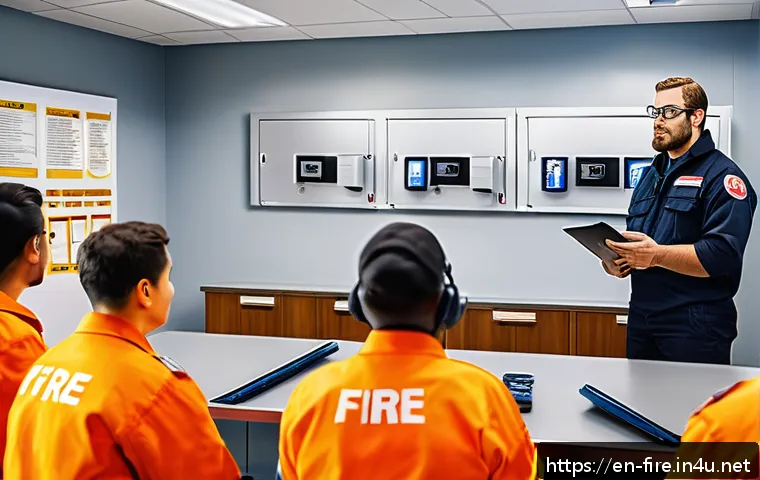
Starting your career as a fire safety technician is both exciting and challenging, especially in today’s rapidly evolving safety landscape. With increasing emphasis on workplace safety and stricter regulations, skilled professionals are in high demand.

If you’re a recent graduate, navigating your first job can feel overwhelming, but choosing the right position sets the foundation for long-term success.
In this post, I’ll share practical tips to help you make informed decisions and kickstart your journey with confidence. Let’s dive into what you need to know to stand out and thrive in this vital industry.
Evaluating Company Culture and Training Opportunities
Understanding Workplace Environment
When starting out as a fire safety technician, the company culture plays a huge role in your day-to-day experience. It’s not just about the job tasks but how supportive and collaborative your colleagues and supervisors are.
A positive environment where questions are welcomed and mentoring is encouraged can make the steep learning curve much smoother. I’ve noticed that companies with a strong safety-first mindset tend to foster teamwork and open communication, which is essential for dealing with high-pressure situations.
Importance of Formal Training Programs
Look for employers who invest in comprehensive training for new hires. Beyond basic orientation, ongoing education about the latest fire codes, safety technologies, and emergency response procedures is invaluable.
When I started, the company’s dedicated training sessions helped me build confidence quickly, especially when handling fire alarm systems and suppression equipment.
Without structured learning opportunities, you might find yourself struggling to keep up with industry advancements.
Mentorship and Career Growth Paths
A company that pairs new technicians with experienced mentors offers a tremendous advantage. Mentorship provides hands-on guidance and real-world insights that textbooks can’t teach.
Additionally, understanding the potential career trajectories within the organization helps you plan for advancement. I recommend asking during interviews about typical career paths and how the company supports professional development — it’s a sign they care about your long-term success.
Assessing Job Responsibilities and Skill Development
Variety of Tasks and Hands-On Experience
The best early jobs offer a balance between routine inspections and exposure to diverse fire safety systems. My first role included everything from checking fire extinguishers to assisting with sprinkler system maintenance, which kept things interesting and built a broad skill set.
If the position is too narrow or repetitive, you might miss out on critical learning experiences that prepare you for more complex roles later.
Exposure to Regulatory Compliance
Understanding local and national fire safety codes is fundamental. Positions that involve direct interaction with regulatory bodies or compliance documentation provide practical knowledge that’s hard to gain otherwise.
When I worked on projects requiring permit applications and safety audits, it gave me a real edge in understanding how regulations shape day-to-day operations.
Use of Modern Fire Safety Technology
Technology is evolving fast in fire safety — from smart alarms to integrated monitoring systems. Jobs that offer hands-on experience with these innovations are invaluable.
Early exposure not only boosts your technical skills but also makes you more attractive to future employers who are increasingly looking for tech-savvy technicians.
Location and Work-Life Balance Considerations
Proximity and Commute Impact
Starting your career close to home can dramatically reduce stress and help maintain a healthy work-life balance. Long commutes can wear you down quickly, especially when you’re still adjusting to a new role.
I found that cutting down my travel time gave me extra energy to focus on learning and adapting to the job’s demands.
Shift Patterns and Flexibility
Fire safety roles often require irregular hours, including nights or weekends. Understanding the company’s shift scheduling and flexibility is crucial before accepting an offer.
Some places offer rotating shifts or on-call duties, which can affect your personal life. When I started, having a predictable schedule allowed me to pursue certifications and side projects that enriched my career.
Local Job Market and Industry Demand
Consider the stability and growth of the fire safety industry in your region. Areas with booming construction, manufacturing, or large commercial sectors tend to have more opportunities and better job security.
Researching regional trends can help you choose a location where your skills will remain in demand and where advancement chances are higher.
Compensation Packages and Benefits Analysis
Understanding Salary Benchmarks
Entry-level fire safety technicians’ pay varies widely depending on location, company size, and responsibilities. When I was job hunting, comparing salary ranges helped me avoid settling for less than my worth.
Websites like Glassdoor or industry reports provide good starting points to gauge fair compensation.
Evaluating Benefits Beyond Base Pay
Benefits such as health insurance, retirement plans, paid time off, and tuition reimbursement can significantly boost your total compensation. In my experience, a slightly lower salary with strong benefits often outweighs a higher paycheck without them.

Look closely at what each employer offers and how those benefits align with your personal needs.
Negotiation Tips for New Technicians
Many new hires hesitate to negotiate, but even early in your career, it’s worth asking about salary, bonuses, or training stipends. I learned that expressing enthusiasm for the role while professionally inquiring about compensation can lead to better offers.
Remember, companies expect some negotiation, so don’t shy away from it.
Building Professional Credentials and Networking
Certifications That Boost Employability
Certifications like NICET (National Institute for Certification in Engineering Technologies) or fire extinguisher and alarm system specialist credentials add credibility.
I pursued these early on, and they opened doors to higher-paying positions and specialized roles. Employers appreciate candidates who show commitment to professional growth.
Joining Industry Associations
Organizations such as NFPA (National Fire Protection Association) offer resources, conferences, and networking opportunities. Being active in these groups helped me stay updated on best practices and connect with seasoned professionals who provided career advice and job leads.
Leveraging Social Media and Online Platforms
LinkedIn and other professional platforms can be powerful tools to showcase your skills and connect with recruiters. Sharing relevant articles, certifications, or project highlights establishes your presence in the fire safety community.
I found that engaging online led to unexpected opportunities and collaborations.
Evaluating Long-Term Career Prospects and Stability
Understanding Industry Trends
The fire safety sector is evolving with new technologies and stricter regulations, making it a relatively stable and growing field. Knowing these trends helped me align my skills with future demands, such as integrating fire safety with building automation systems.
Opportunities for Specialization
As you gain experience, consider specializing in areas like industrial fire safety, hazardous materials, or emergency response planning. Specialization often leads to higher salaries and job security.
Early exposure to diverse tasks helped me identify which niche suited my strengths and interests.
Planning for Continuous Education
The best technicians commit to lifelong learning. Whether through formal courses, workshops, or self-study, staying current is essential. I set personal goals to complete certifications every few years, which kept my skills sharp and my resume competitive.
| Factor | Considerations | Why It Matters |
|---|---|---|
| Company Culture | Supportive team, mentoring programs, safety mindset | Enhances learning, reduces stress, improves job satisfaction |
| Training Opportunities | Formal sessions, hands-on practice, technology exposure | Builds confidence, keeps skills current, aids career growth |
| Job Responsibilities | Task variety, compliance work, technology use | Develops broad skill set, deepens industry knowledge |
| Location & Work-Life Balance | Commute length, shift patterns, regional demand | Reduces burnout, improves quality of life, job stability |
| Compensation & Benefits | Salary, health plans, retirement, bonuses | Financial security, overall job satisfaction |
| Professional Growth | Certifications, networking, specialization | Enhances employability, opens advancement opportunities |
In Conclusion
Choosing the right fire safety technician role involves more than just the job description. A supportive company culture, solid training programs, and opportunities for growth are key to building a successful career. Balancing work-life factors and understanding compensation packages further ensures long-term satisfaction. By carefully evaluating these elements, you set yourself up for both professional and personal success.
Helpful Tips to Remember
1. Prioritize companies that emphasize safety culture and mentorship to ease your transition into the field.
2. Seek employers who provide ongoing, hands-on training to stay current with evolving technologies.
3. Explore roles offering a variety of tasks and regulatory exposure to develop a well-rounded skill set.
4. Consider location and shift flexibility to maintain a healthy work-life balance and reduce burnout.
5. Don’t hesitate to negotiate salary and benefits early on, as this can significantly impact your overall compensation.
Key Takeaways
Assess potential employers not just on pay but also on their commitment to your professional development through training and mentorship. A diverse range of responsibilities and exposure to current technologies will accelerate your growth. Additionally, work-life balance and job stability are crucial for long-term career satisfaction. Finally, actively pursuing certifications and networking opportunities can open doors and secure your place in the evolving fire safety industry.
Frequently Asked Questions (FAQ) 📖
Q: uestions about Starting a Career as a Fire Safety TechnicianQ1: What qualifications or certifications do I need to become a fire safety technician?
A: To start as a fire safety technician, obtaining relevant certifications such as Fire Inspector I or II, Fire Alarm Technician certification, or OSHA safety training is highly beneficial.
Many employers look for candidates with hands-on training and knowledge of local fire codes and regulations. Additionally, a background in electrical systems or engineering can give you an edge.
I found that investing time in these certifications early on not only boosted my confidence but also made me stand out during job interviews.
Q: How can I gain practical experience if I’m a recent graduate with little to no fieldwork?
A: Internships, apprenticeships, and entry-level positions in fire departments, safety consulting firms, or equipment manufacturers are excellent ways to build hands-on experience.
Volunteering with local fire services or participating in safety drills can also provide real-world exposure. When I first started, I made a point to shadow experienced technicians and ask questions actively, which helped me learn quickly and develop practical skills that aren’t taught in textbooks.
Q: What are common challenges new fire safety technicians face, and how can I overcome them?
A: One common challenge is staying updated with constantly changing safety codes and technology. It can feel overwhelming at first, but creating a habit of continuous learning—through webinars, industry publications, and professional associations—makes a huge difference.
Another hurdle is effectively communicating safety concerns to non-technical staff; practicing clear, simple explanations and using real-life examples helped me bridge that gap.
Remember, persistence and a proactive attitude are key to thriving in this dynamic field.