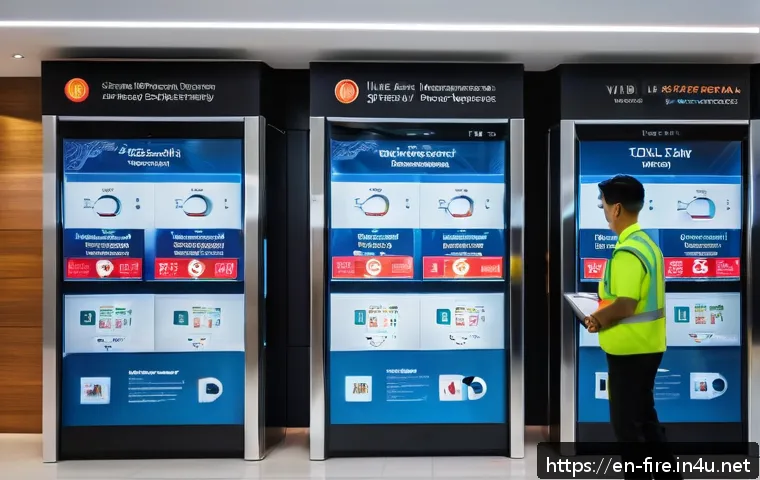
Fire safety certification is more important than ever as recent global events have highlighted the devastating impact of fire hazards. Whether you’re a homeowner, business operator, or safety professional, understanding how different countries approach fire safety standards can be a game-changer.
The variety in regulations and certification requirements worldwide reflects unique risks, technologies, and enforcement practices. In this post, we’ll explore these fascinating differences and what they mean for safety compliance across borders.
If you’ve ever wondered why fire safety rules vary so much from place to place, stay tuned—this deep dive might just change how you think about protecting lives and property.
Variations in Fire Safety Certification Frameworks Worldwide
Mandatory vs. Voluntary Certification Systems
In some countries, fire safety certification is a strict legal requirement for buildings and businesses, backed by government agencies that enforce compliance rigorously.
For example, in the United States, the National Fire Protection Association (NFPA) codes are widely adopted and often mandatory under local fire codes, making certification essential for legal occupancy or operation.
Conversely, other nations may adopt a more voluntary or advisory approach where certification serves as a mark of best practice but lacks strict enforcement.
This difference often stems from varying legal traditions and levels of regulatory oversight, influencing how seriously organizations prioritize fire safety certification.
Certification Bodies and Their Roles
Different countries rely on a variety of certifying organizations, ranging from government fire departments to private accredited bodies. In the UK, for instance, certification often involves Approved Inspectors or organizations accredited by the United Kingdom Accreditation Service (UKAS), who evaluate fire risk assessments and safety measures.
Meanwhile, Germany’s certification system leans heavily on TÜV and VdS institutions, which specialize in technical testing and approval. The diversity in certifying bodies impacts the scope and rigor of assessments, which can affect international companies trying to maintain uniform safety standards across multiple jurisdictions.
Training and Qualification Requirements
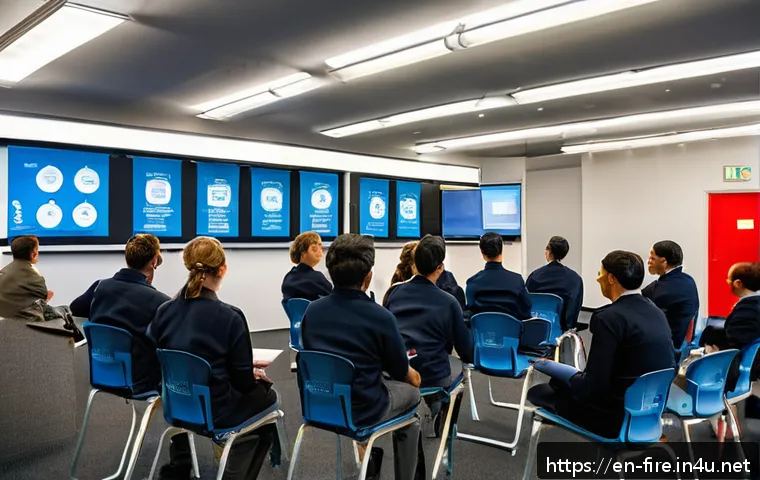
Fire safety certification programs vary widely in terms of the training and qualifications required. Some countries mandate extensive formal education, practical training, and periodic recertification to maintain credentials, reflecting a strong emphasis on ongoing competence.
For example, Australia’s fire safety managers must complete nationally recognized training packages and renew qualifications regularly. On the other hand, some regions have minimal or no formal training prerequisites, relying more on experience or self-study.
This divergence can create challenges for professionals seeking to transfer certifications or validate their expertise internationally.
Impact of Technological Advances on Certification Standards
Integration of Smart Fire Safety Systems
As smart building technologies evolve, many countries are updating certification criteria to include advanced fire detection and suppression systems. These systems use sensors, IoT devices, and AI algorithms to detect fires earlier and manage emergency responses more effectively.
Countries like Singapore and Japan are at the forefront of incorporating these technologies into their certification requirements, encouraging businesses to adopt cutting-edge solutions that improve safety outcomes.
This shift means that traditional certification programs must adapt, requiring professionals to stay current with technological trends.
Challenges of Standardizing Across Borders
While technology offers great potential, it also complicates international certification because standards for smart systems vary widely. A fire safety system certified in one country might not meet another’s criteria due to differences in technology acceptance, data privacy laws, or interoperability standards.
This fragmentation makes it difficult for multinational companies to implement uniform fire safety measures or for certification bodies to recognize each other’s approvals.
As a result, ongoing collaboration between governments and industry stakeholders is essential to harmonize standards and facilitate cross-border safety compliance.
Role of Certification in Promoting Innovation
Certification programs that embrace new technologies often act as catalysts for innovation by setting benchmarks that manufacturers and service providers strive to meet.
When certifications require integration of smart fire safety features, it incentivizes development and deployment of more effective tools, ultimately raising safety levels.
Countries that lag behind in updating certification criteria risk creating markets flooded with outdated or suboptimal fire safety solutions, potentially increasing fire risks.
Therefore, staying ahead of technological trends in certification is not just a regulatory matter but a public safety imperative.
Legal and Cultural Factors Shaping Fire Safety Certification
Influence of Legal Systems on Enforcement
The degree to which fire safety certifications are enforced often depends on a country’s legal framework. Common law countries like the US and UK tend to have detailed statutory regulations backed by penalties for non-compliance, making certification a critical legal obligation.
Civil law countries may embed fire safety requirements within broader building codes, with enforcement varying by region. In some developing nations, weak regulatory enforcement and limited resources can undermine certification effectiveness despite formal rules, leading to gaps in actual fire safety levels.
Cultural Attitudes Toward Risk and Safety
Cultural perceptions about risk influence how fire safety is prioritized and regulated. Societies with a strong emphasis on safety and prevention, such as those in Scandinavia, often have stringent certification processes supported by public awareness campaigns.
In contrast, regions where fire incidents are less frequent or less publicly scrutinized might have more relaxed certification regimes. These cultural differences affect not only regulations but also how businesses and individuals approach fire safety compliance, which in turn shapes certification demand and quality.
Economic Factors and Resource Allocation
Economic development levels heavily impact the resources dedicated to fire safety certification. Wealthier countries can afford sophisticated training programs, advanced testing labs, and comprehensive enforcement mechanisms.
Conversely, lower-income countries may struggle to fund these initiatives, resulting in simpler certification schemes or reliance on international standards without local adaptation.
This economic disparity can influence global business operations, as multinational firms must navigate varying cost structures and certification complexities while maintaining consistent safety standards.
Key Certification Programs and Their Features
Comparison of Popular Certifications
Different certification programs focus on varying aspects of fire safety, such as risk assessment, system installation, or emergency response training.
For example, the Certified Fire Protection Specialist (CFPS) credential in the US emphasizes comprehensive knowledge of fire prevention, engineering, and codes.
The NEBOSH Fire Safety and Risk Management certificate in the UK targets workplace fire hazards and practical control measures. Understanding the nuances of these programs helps professionals choose the best fit for their career goals and compliance needs.
Recertification and Continuing Education
Many fire safety certifications require periodic renewal to ensure holders remain knowledgeable about evolving standards and technologies. This often involves continuing education credits, refresher courses, or re-examinations.
Countries with strict recertification policies tend to produce more competent and up-to-date professionals, which benefits overall fire safety. However, the burden of ongoing training can be challenging for some individuals or organizations, particularly where resources or access to quality courses are limited.
Recognition and Reciprocity Between Countries
One of the biggest hurdles in fire safety certification is the lack of universal recognition. Certifications earned in one country may not be accepted elsewhere without additional testing or validation.
Some regions have begun bilateral agreements or mutual recognition arrangements to facilitate professional mobility, but these remain limited. Professionals working internationally must often navigate complex requirements, which can delay projects or increase costs.
Enhancing reciprocity in certification could streamline compliance and improve global fire safety standards.
Practical Implications for Businesses and Safety Professionals
Adapting to Local Certification Requirements
For businesses operating in multiple countries, understanding and complying with diverse fire safety certification rules is essential but often complicated.
It requires investing time and resources to research local regulations, engage qualified experts, and possibly obtain multiple certifications. Failure to comply can result in fines, operational shutdowns, or increased liability in case of fire incidents.
Companies that proactively manage these challenges tend to build stronger safety cultures and reputations.
Cost-Benefit Analysis of Certification Investments
While obtaining fire safety certification can be costly, the benefits often outweigh expenses by reducing fire risks, insurance premiums, and potential legal liabilities.
Certified facilities may also attract tenants, customers, or partners who value safety, offering a competitive advantage. From personal experience, investing in rigorous certification not only improves emergency preparedness but also boosts staff confidence and morale, which are intangible yet valuable returns.
Leveraging Certification for Continuous Improvement
Certification should not be viewed as a one-time checkbox but as part of an ongoing process of fire safety enhancement. Regular audits, training updates, and technology upgrades driven by certification standards help organizations stay vigilant against emerging risks.
Integrating certification efforts with broader risk management strategies fosters resilience and sustainability. Practically, this mindset shift transforms compliance from a burden into a strategic asset.
Global Overview of Fire Safety Certification Differences
| Country/Region | Certification Authority | Mandatory/Voluntary | Focus Area | Recertification Frequency |
|---|---|---|---|---|
| United States | NFPA, Local Fire Departments | Mandatory in most states | Comprehensive fire codes and system installation | Every 3-5 years |
| United Kingdom | UKAS Accredited Bodies, Approved Inspectors | Mandatory for commercial buildings | Risk assessment and workplace safety | Every 3 years |
| Germany | TÜV, VdS | Mandatory for certain industries | Technical testing and approval of systems | Varies by industry |
| Australia | Nationally Recognized Training Bodies | Mandatory for fire safety managers | Training and management of fire safety | Every 5 years |
| Singapore | SCDF (Singapore Civil Defence Force) | Mandatory for all commercial properties | Integrated fire safety systems and emergency plans | Every 2-3 years |
Conclusion
Fire safety certification frameworks around the world vary significantly, shaped by legal, cultural, technological, and economic factors. Understanding these differences is crucial for professionals and businesses aiming to maintain high safety standards internationally. Staying informed about evolving certification requirements and embracing innovation can enhance overall fire protection efforts. Ultimately, proactive engagement with certification processes not only ensures compliance but also fosters safer environments for everyone.
Useful Information to Know
1. Fire safety certification can be either mandatory or voluntary depending on the country, affecting how strictly compliance is enforced.
2. Various certification bodies exist globally, including government agencies and private organizations, each with unique roles and standards.
3. Training and qualification requirements differ widely, with some regions demanding formal education and others relying on experience.
4. Advances in smart fire safety technologies are influencing certification criteria, encouraging adoption of innovative safety solutions.
5. Cross-border recognition of certifications remains limited, posing challenges for professionals working internationally.
Key Takeaways
Fire safety certification is a complex landscape influenced by legal systems, cultural attitudes, and economic capacity. Businesses must navigate diverse local regulations to ensure compliance and minimize risks. Investing in certification not only reduces liability but also enhances safety culture and operational confidence. Continuous education and adaptation to technological advancements are essential to maintain effective fire protection. Strengthening international cooperation on certification standards can improve global fire safety outcomes.
Frequently Asked Questions (FAQ) 📖
Q: uestions about Fire Safety CertificationQ1: Why do fire safety certification requirements vary so much between countries?
A: Fire safety standards differ globally because each country faces unique environmental risks, building practices, and technology availability. For example, a region prone to wildfires might enforce stricter outdoor fire prevention rules, while densely populated cities may focus more on evacuation protocols and smoke control systems.
Additionally, local enforcement agencies and cultural attitudes toward safety influence how regulations are designed and implemented. This diversity ensures that certifications are tailored to effectively manage the specific fire hazards relevant to each area.
Q: How can businesses ensure compliance with fire safety standards when operating internationally?
A: Navigating fire safety compliance across borders can be challenging, but the key is thorough research and consultation with local experts. Businesses should start by understanding the specific certification requirements in each country where they operate, including building codes, equipment standards, and inspection procedures.
Hiring local fire safety consultants or partnering with certified testing organizations can provide valuable guidance. Also, investing in ongoing training for staff and regularly updating safety equipment helps maintain compliance and protect both employees and assets effectively.
Q: Are internationally recognized fire safety certifications available, and do they simplify cross-border compliance?
A: Yes, some certifications and standards have international recognition, like those issued by organizations such as UL (Underwriters Laboratories) or ISO (International Organization for Standardization).
These certifications can serve as a common baseline, making it easier for products and safety protocols to be accepted in multiple countries. However, even with internationally recognized certifications, local regulations often require additional steps or adaptations.
So while they simplify parts of the process, businesses must still tailor their fire safety strategies to meet each country’s specific rules to ensure full compliance.