In today’s fast-paced world, fire safety remains a critical concern that demands our full attention. With recent incidents highlighting the devastating impact of inadequate fire management, understanding your responsibilities has never been more vital.
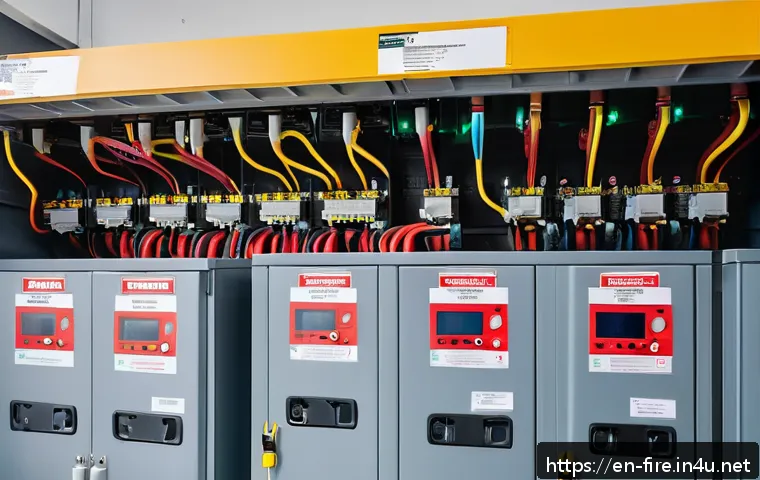
Whether you’re a business owner, facility manager, or homeowner, mastering fire safety protocols can literally save lives and protect valuable property.
In this post, I’ll share practical insights and real-world tips that helped me enhance safety measures effectively. Let’s dive into how you can take proactive steps to create a safer environment for everyone around you.
Building a Culture of Fire Awareness
Empowering Everyone Through Training
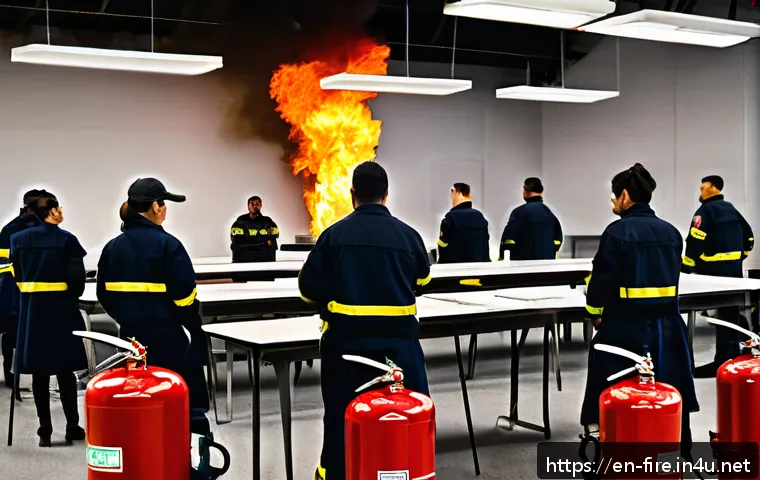
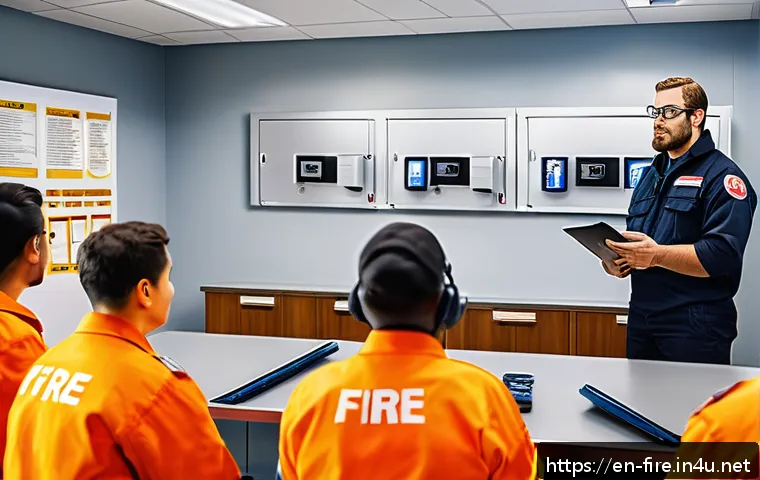
Fire safety isn’t just about having the right equipment; it’s about making sure every person in the building knows how to act if a fire breaks out. From my own experience managing a mid-sized office, regular training sessions helped reduce panic and confusion during emergency drills.
These sessions should be interactive and tailored to the specific environment—covering everything from how to use fire extinguishers to understanding evacuation routes.
When people feel confident in their role, the entire workplace becomes safer.
Communicating Fire Safety Clearly
Clear communication can literally be a lifesaver. It’s crucial to have visible, easy-to-understand signage indicating exits, assembly points, and fire equipment.
But signage alone isn’t enough; frequent reminders through emails, posters, or briefings help keep fire safety top of mind. In places where multiple languages are spoken, providing multilingual signs or instructions can ensure that no one is left confused during an emergency.
I found that mixing visual aids with short, clear instructions works best to reach everyone.
Regular Fire Drills and Their Impact
Fire drills often get a bad rap as disruptive, but when done right, they’re invaluable. Conducting drills at varying times and under different scenarios keeps everyone alert and ready.
In my previous workplace, we noticed that drills conducted only once a year led to complacency. Increasing their frequency to quarterly improved responsiveness and highlighted potential issues in evacuation plans that needed fixing.
Realistic drills build muscle memory, which can save precious seconds in an actual fire.
Optimizing Fire Prevention Measures
Maintaining Fire Detection Systems
Smoke detectors and fire alarms are the frontline defense against fires. However, their effectiveness depends entirely on proper maintenance. I’ve seen cases where outdated or faulty detectors delayed fire alerts, causing more damage than necessary.
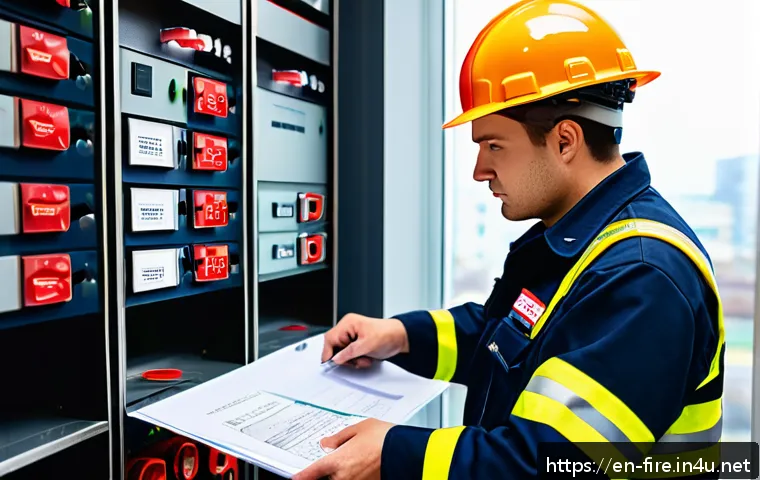
Scheduling regular inspections and replacing batteries or units as needed is non-negotiable. Testing these systems monthly and keeping logs ensures accountability and immediate action if a device fails.
Safe Storage and Handling of Flammable Materials
In workplaces or even homes, improper storage of flammable liquids or gases often leads to dangerous situations. The key is to store these materials in clearly labeled, fire-resistant cabinets away from ignition sources.
During a project at a manufacturing plant, implementing strict storage protocols drastically lowered fire risks. Training staff on proper handling procedures also reduces accidental spills or leaks, which could escalate into serious hazards.
Electrical Safety as a Fire Prevention Strategy
Faulty wiring and overloaded circuits are common fire culprits. I’ve personally encountered several instances where ignoring minor electrical issues almost triggered major fires.
Regular electrical inspections by certified professionals can catch potential problems early. Additionally, educating staff or family members on not overloading outlets and unplugging devices when not in use can make a huge difference in fire prevention.
Emergency Response Preparedness
Creating and Updating Fire Escape Plans
A detailed and well-communicated fire escape plan is vital for quick and safe evacuations. When I first moved into a new apartment complex, I noticed the fire escape plan was outdated and hard to find.
After discussing with management, they updated and posted clear maps on every floor. It’s important to tailor these plans to the building’s layout and ensure they accommodate people with disabilities or mobility challenges.
Designating Fire Wardens and Their Roles
Fire wardens or marshals play a crucial role in guiding people to safety and coordinating during emergencies. In my experience, appointing trustworthy and well-trained individuals as fire wardens improves order and reduces chaos.
Their responsibilities include checking that everyone evacuates, assisting those in need, and liaising with fire services. Regular refresher training keeps them ready for the real deal.
Effective Use of Fire Extinguishers
Knowing how and when to use a fire extinguisher can prevent small fires from turning catastrophic. However, many people hesitate or use them incorrectly.
Hands-on training sessions where participants practice using extinguishers on simulated fires build confidence. It’s also critical to have the right type of extinguisher for different fire classes and ensure they are easily accessible and maintained.
Legal and Regulatory Compliance Essentials
Understanding Local Fire Safety Codes
Fire safety laws vary by region, and staying compliant protects you from legal penalties and ensures a safer environment. When I managed compliance at a commercial building, keeping up with local fire codes involved regular consultation with fire departments and inspections.
Understanding these regulations also helped me prioritize safety upgrades and avoid costly fines.
Documenting Fire Safety Measures
Accurate documentation of inspections, maintenance, training, and incidents is essential. It not only demonstrates compliance but helps identify trends or recurring issues.
Maintaining a digital log accessible to all relevant parties simplifies audits and emergency reviews. In my role, I noticed that well-kept records made it easier to track improvements and prepare for official inspections.

Engaging Fire Safety Professionals
Partnering with certified fire safety experts provides an external perspective and specialized knowledge. Whether it’s for conducting risk assessments, installing systems, or providing training, their expertise is invaluable.
I once hired a fire consultant who uncovered hidden vulnerabilities that we had overlooked internally, leading to immediate corrective actions.
Implementing Technological Advances in Fire Safety
Smart Fire Detection Systems
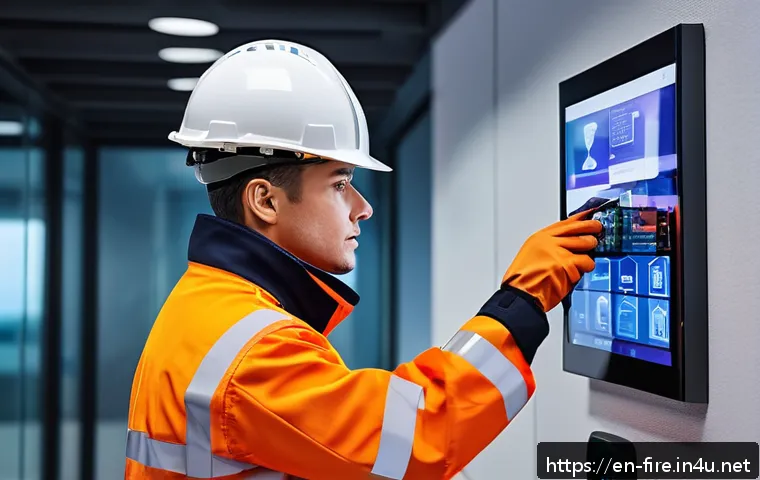
Modern fire detection systems now integrate with smart building technology, offering real-time alerts and remote monitoring. In a recent retrofit project, installing interconnected smoke detectors that notify building managers via smartphone apps significantly reduced response times.
These systems can also provide data analytics to predict potential fire risks based on environmental factors.
Automated Sprinkler Systems
Automated sprinkler systems have evolved to become more efficient and less prone to accidental activation. I’ve seen these systems in action during a fire in a hotel, where rapid activation minimized damage and injuries.
Regular testing and maintenance remain key to ensuring their reliability, but the peace of mind they offer is unmatched.
Fire Safety Apps and Training Tools
There are now numerous mobile apps designed to educate users on fire safety, provide evacuation maps, and even simulate fire scenarios for training purposes.
Introducing these tools in workplaces or community centers can engage people more interactively. I personally use one app that sends monthly fire safety tips and quizzes, which helps keep my knowledge fresh and ready.
Practical Fire Safety Tips for Everyday Life
Kitchen Safety Habits
Kitchen fires are among the most common in homes. Simple habits like never leaving cooking unattended, keeping flammable items away from the stove, and regularly cleaning grease traps can drastically reduce risks.
I learned this the hard way when a small grease fire caught me off guard, but having a fire blanket nearby helped me control it quickly.
Safe Use of Heating Equipment
Space heaters and fireplaces can be cozy but dangerous if misused. Maintaining a safe clearance around heaters, turning them off when leaving the room, and having chimneys cleaned annually are all essential steps.
During a harsh winter, I made it a routine to double-check these precautions daily, which gave me peace of mind.
Electrical Device Safety at Home
Avoiding overloading outlets, unplugging devices not in use, and inspecting cords for damage are simple yet effective ways to prevent electrical fires.
I recommend using surge protectors and replacing any frayed wires immediately. These small actions have helped me avoid near-miss incidents more than once.
| Fire Safety Aspect | Key Actions | Benefits |
|---|---|---|
| Training and Drills | Conduct interactive sessions; hold regular drills | Increases preparedness; reduces panic |
| Equipment Maintenance | Regularly inspect alarms and extinguishers | Ensures functionality; early fire detection |
| Storage Practices | Use fire-resistant cabinets; label flammable materials | Reduces accidental ignition; safer environment |
| Electrical Safety | Schedule inspections; avoid overloading outlets | Prevents electrical fires; prolongs device life |
| Emergency Plans | Update escape routes; appoint fire wardens | Improves evacuation efficiency; ensures accountability |
| Technology Use | Install smart detectors; use fire safety apps | Enhances monitoring; engages users |
| Home Safety Tips | Practice kitchen and heating safety; inspect cords | Minimizes common household fire risks |
In Conclusion
Building a strong culture of fire awareness requires ongoing effort, clear communication, and practical training. When everyone knows their role and safety measures are consistently maintained, the risk of fire-related incidents decreases significantly. Embracing technology and staying compliant with regulations further enhances protection. Ultimately, fire safety is a shared responsibility that benefits from active participation at every level.
Useful Information to Keep in Mind
1. Regular fire safety training empowers individuals to respond calmly and effectively during emergencies.
2. Clear, multilingual signage and frequent reminders help ensure that safety information reaches everyone.
3. Frequent and varied fire drills improve readiness and reveal weaknesses in evacuation plans.
4. Proper maintenance of detection systems and equipment is essential to early fire warning and prevention.
5. Leveraging smart technology and fire safety apps can boost engagement and provide real-time alerts.
Key Takeaways
Consistent education and communication form the backbone of fire safety culture, reducing confusion and panic when emergencies occur. Regular inspections and adherence to legal standards protect both people and property, while technological advances offer smarter, faster responses. Lastly, practical safety habits at home and work prevent many common fire hazards, reinforcing the importance of vigilance in everyday life.
Frequently Asked Questions (FAQ) 📖
Q: uestions about Fire SafetyQ1: What are the essential fire safety measures I should implement at home or in my business?
A: The basics always start with installing smoke detectors on every level of your property and testing them monthly. Having accessible fire extinguishers and knowing how to use them is crucial—don’t just rely on having one; place them strategically near kitchens, electrical equipment, and exits.
Additionally, plan and practice clear evacuation routes with everyone involved. From my experience, regular drills not only boost confidence but also reveal potential hazards you might overlook in daily life.
Q: How often should fire safety equipment be inspected or maintained?
A: Fire safety gear isn’t a set-it-and-forget-it deal. Smoke detectors generally require battery changes at least once a year, but I recommend checking them every few months to be sure they’re functional.
Fire extinguishers should undergo professional inspection annually, and after any use, even partial. For businesses, adhering to local fire codes often means scheduled maintenance by certified professionals, which ensures compliance and readiness.
Keeping a log of inspections can make this process smoother and more reliable.
Q: What steps can I take to prevent fires caused by electrical equipment?
A: Electrical fires are surprisingly common but mostly preventable. First off, avoid overloading outlets or power strips—this is a simple but often ignored risk.
Regularly inspect cords and plugs for damage; if you spot fraying or discoloration, replace them immediately. When possible, unplug devices not in use to minimize risk.
From my own experience managing office spaces, investing in surge protectors and ensuring that all electrical installations meet safety standards dramatically reduced fire hazards.
Lastly, keep combustible materials away from heat sources and electrical panels.