Workplace fire-safety obligations depend on local law, building use, and occupancy. Learn the practical compliance areas to verify, from risk assessments and records to equipment inspections, staff training, and specialist support.
Workplace fire-safety compliance usually means documenting fire risks, maintaining safety equipment, and ensuring that responsible people know what to do in an emergency.
The exact legal duties depend on the local fire authority, the building’s permitted use, occupancy, and the type of work carried out on site. For many businesses, the practical choice is whether an internal coordinator can manage the workload or whether fire safety compliance services, inspection contracts, or staff training providers are needed.
The right option is not always the most extensive service; it is the one that clearly covers the risks, responsibilities, records, and maintenance requirements relevant to the premises.
Before signing a maintenance agreement or approving an inspection quote, confirm what is included, what is excluded, and who remains accountable for corrective actions.
A clear paper trail can be as important as the physical equipment itself.
At a Glance
- Fire-safety duties usually involve risk control, maintained equipment, trained people, and documented evidence.
- Local rules can change based on building classification, occupancy, permitted use, and business activity.
- Owners, employers, tenants, and contractors may all have separate responsibilities, so roles should be confirmed in writing.
| Decision Factor | Internal Fire-Safety Coordinator | Outsourced Fire-Safety Service |
|---|---|---|
| Best fit | Smaller or simpler sites with capable staff and clear responsibilities | Sites with complex systems, limited internal capacity, or changing risks |
| Control | Direct control over records, schedules, and staff follow-up | External technical input, inspection support, and specialist reporting |
| Workload | Requires time for checks, recordkeeping, training, and corrective actions | Requires careful scope review and internal follow-up after reports |
| Quote-review focus | Training needs, internal time, documentation tools, and escalation process | Service scope, exclusions, reporting format, maintenance response, and renewal terms |
What Workplace Fire-Safety Compliance Usually Requires
The core principle: identify hazards, control risks, and keep evidence
Most workplace fire-safety frameworks follow a practical sequence: identify possible fire hazards, assess who could be affected, apply reasonable controls, and keep evidence that those controls are being managed. A fire-risk review should consider ignition sources, combustible materials, escape routes, alarms, emergency lighting, extinguishing equipment, and the people who may need assistance during an evacuation.
Documentation matters because it shows that issues were identified and addressed. A verbal decision to clear a corridor or repair an alarm may not be enough if there is no record of the check, the corrective action, and the person responsible for completion.
Why local fire codes and occupancy rules must be checked first
A general checklist cannot replace the requirements of the local authority having jurisdiction. Rules may differ according to the country, state, city, building classification, occupancy level, permitted use, and whether the premises are shared with other tenants. Some sites may require permits, licensed inspections, specific systems, or a designated fire-safety manager.
Before relying on a generic fire safety compliance checklist, confirm the applicable local fire code, building rules, lease terms, and any sector-specific obligations. Healthcare, hospitality, education, manufacturing, and multi-tenant properties may have additional requirements or different inspection expectations.
The documents a business should be ready to review
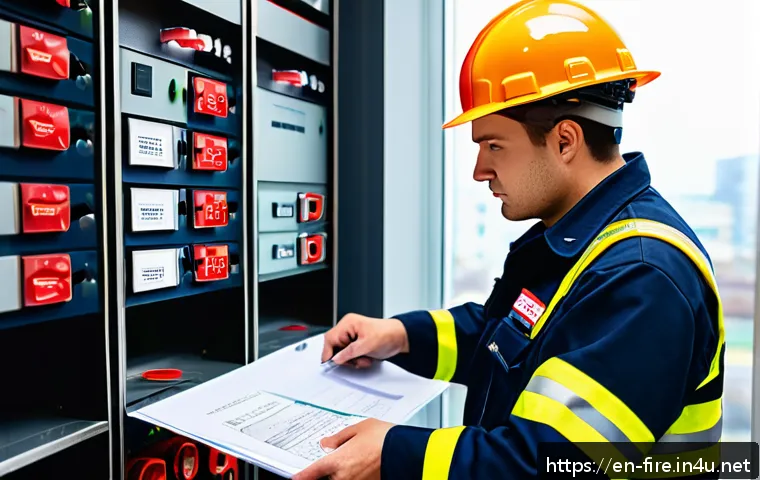
Useful records often include a current fire-risk assessment, evacuation plan, staff training records, equipment inspection logs, maintenance reports, corrective-action records, contractor reports, and correspondence about unresolved defects. Keep documents organized by site and date so that a manager can quickly see what was checked, what failed, and what remains open.
A common gap is keeping service certificates without recording whether the business acted on the findings. A report is not the same as a completed corrective action.
Compliance Responsibilities: Owner, Employer, Tenant, and Fire-Safety Contractor
Responsibilities that may remain with the building owner
Building owners may retain responsibility for structural fire precautions, shared escape routes, common-area systems, or central alarm and suppression equipment. However, the exact division of duties depends on local law, the lease, and the service agreements in place. Do not assume that a property manager’s involvement removes the owner’s responsibilities.
Operational duties commonly managed by employers and occupiers
Employers and occupiers commonly manage day-to-day conditions inside their controlled areas. This can include keeping exits clear, controlling storage, maintaining employee awareness, reporting equipment faults, updating plans after layout changes, and coordinating evacuation procedures. Where tenants bring in equipment, stock, or work processes that change the risk, they should communicate those changes promptly.
Questions to clarify before relying on a property manager or vendor
Ask who checks common escape routes, who arranges fire alarm maintenance, who receives inspection reports, and who closes corrective actions. Also ask whether the contractor is only inspecting equipment or is expected to repair defects, update records, or notify the relevant authority when needed. Accountability should be clear before an incident, inspection, or dispute occurs.
In-House Management vs. Outsourced Fire-Safety Support
Cost drivers, expertise, response time, and accountability
Managing compliance internally can provide strong site knowledge and faster daily follow-up. It also requires a responsible person with enough time, authority, and training to maintain records and escalate problems. Outsourced fire-safety consultants or inspection companies can bring technical knowledge, structured reporting, and support for complex equipment, but internal staff still need to act on findings.
When reviewing fire alarm maintenance quotes or suppression system maintenance proposals, compare the work scope rather than only the headline price. A lower quote may cover routine attendance but exclude parts, repairs, emergency callouts, reports, retesting, or work outside standard hours.
When a small business may benefit from external inspections or compliance consulting
External help can be useful when the business lacks experienced staff, operates from a complex building, has frequent layout changes, uses higher-risk processes, or needs an independent review of its current fire-safety records. A consultant may also help organize a risk-review process, clarify responsibilities, or identify questions to raise with the landlord and local authority.
How to review service scope, exclusions, reporting, and renewal terms
Request a written scope that identifies the equipment, locations, inspections, testing activities, reports, exclusions, corrective-action process, and renewal terms. Check whether the provider will give clear findings rather than only a pass/fail summary. A useful report should help the business understand what needs attention and who should take the next step.
Practical Workflow for Risk Assessments, Equipment Checks, and Staff Training
Build a site-specific fire-risk review process
Start with a walkthrough of the actual workplace rather than a template alone. Look at entrances, exits, storage areas, electrical equipment, kitchens, plant rooms, loading areas, and places where contractors work. Note changes in stock, furniture, equipment, staffing, visitors, or mobility needs. Update the review when work conditions change, not only when a scheduled review is due.

Maintain inspection, testing, maintenance, and corrective-action records
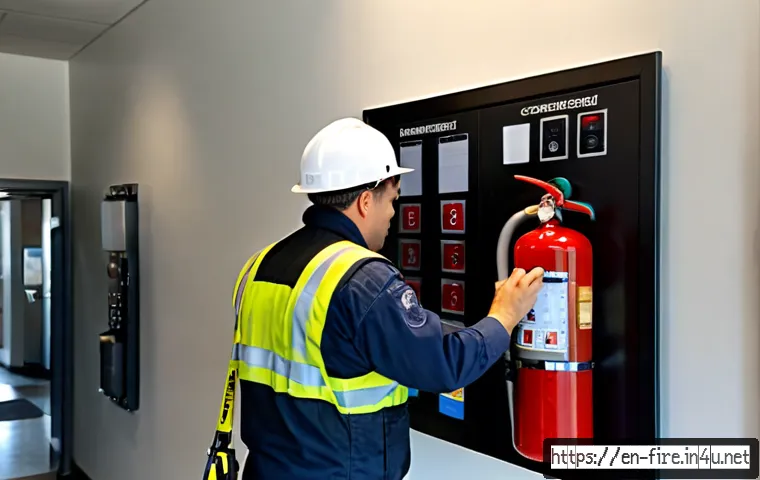
Create one simple register for inspections, tests, maintenance visits, defects, responsible persons, and completion dates. This makes it easier to spot recurring issues, such as blocked routes or repeated equipment faults. Store contractor reports with the related corrective-action record so the evidence is complete.
Train staff for alarms, evacuation, reporting, and changing work conditions
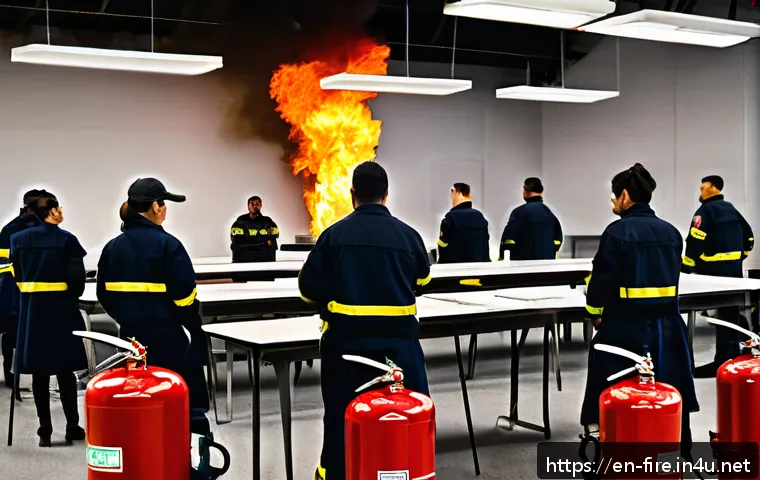
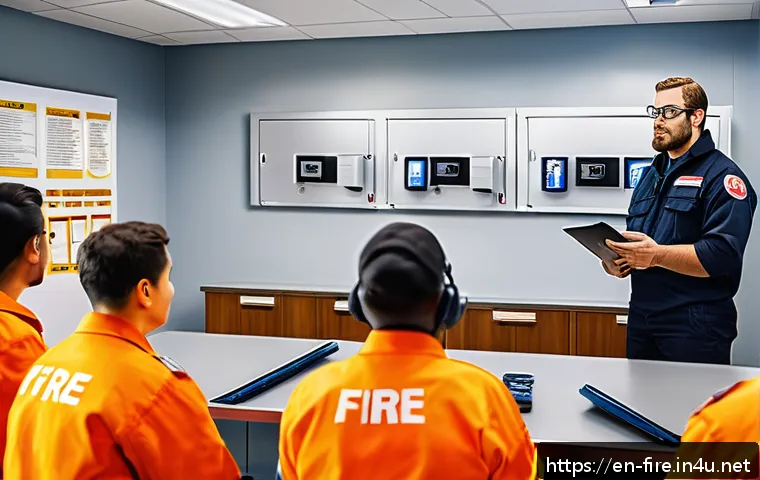
Staff should understand the alarm response, evacuation route, assembly arrangements, reporting process, and any role assigned during an emergency. Training should be understandable for new employees, temporary workers, contractors, and people who work unusual hours. If the layout, occupancy, or work activity changes, review whether the existing instructions still make sense.
Avoid common gaps: outdated plans, blocked exits, untested equipment, and unclear roles
Many compliance gaps are visible during a normal working day: emergency routes used for storage, exit doors obstructed by deliveries, plans that no longer match the layout, or employees who do not know who reports a defect. Regular short checks can identify these problems before they become embedded in routine operations.
Requirements That Often Change by Building Type and Business Activity
Offices, retail premises, warehouses, hospitality venues, and multi-tenant buildings
Different premises create different evacuation and equipment challenges. Offices may need to address visitor management and changing desk layouts. Retail spaces may have changing displays and customer movement. Warehouses may involve storage patterns and vehicle activity. Hospitality venues may need to consider kitchens, guests, and busy public areas. Multi-tenant buildings require close coordination over shared systems and common routes.
Higher-risk operations involving cooking, chemicals, hot work, or storage
Cooking, chemical use, hot work, and storage can increase the need for site-specific controls. The business should verify whether its processes affect alarm arrangements, suppression systems, contractor controls, storage practices, or permit requirements. Do not rely on a standard office checklist for a workplace with materially different hazards.
Renovations, layout changes, new equipment, and occupancy increases
Physical and operational changes can affect escape routes, fire loading, access to equipment, and evacuation procedures. Review fire-safety arrangements before or during a change, not after the work is complete. This is especially important when new partitions, machinery, cooking equipment, storage racking, or additional occupants are introduced.
Selection Criteria and Comparison Summary
When to manage compliance internally and when to request professional help
Internal management may be suitable when the premises are straightforward, responsibilities are documented, and a trained person has enough time to keep records current. Request professional support when systems are complex, defects are recurring, the building is shared, operational risks are increasing, or no one can confidently manage the required inspections and documentation.
Checklist for comparing inspection, training, alarm, and suppression-service providers
Before selecting a provider, compare the following points:
- Scope: Which equipment, areas, and services are included?
- Competence: Does the provider explain its relevant qualifications, experience, or authorization requirements?
- Reporting: Will reports identify defects, priorities, and recommended next actions clearly?
- Exclusions: Are repairs, replacement parts, retesting, callouts, or documentation updates outside the quoted service?
- Responsibility: Who tracks corrective actions after an inspection or maintenance visit?
- Terms: What are the renewal, cancellation, response, and record-access arrangements?
Questions to ask before approving a fire-safety quote or maintenance agreement
Ask whether the quote covers the full site, whether all findings will be documented, and whether the service matches local requirements for your building and activity. Ask what happens when equipment fails, when repairs are needed, or when a report identifies a compliance gap. For training providers, ask whether the content addresses your site’s actual evacuation arrangements and changing work conditions.
For official guidance, detailed service conditions, and provider qualifications, review the relevant authority information and the provider’s written documentation before making a decision.
In Closing
Fire safety compliance is not a single document or a one-time equipment visit. It is an ongoing process of understanding local duties, managing risks, maintaining systems, training people, and recording what was done. Clear responsibility between the owner, employer, tenant, and contractor is essential. When the site or its risks become more complex, independent inspection or compliance support can provide useful structure, but it does not remove the business’s need to follow up.
Useful Information to Know
1. Keep inspection reports together with proof of completed corrective actions.
2. Review fire-safety arrangements when the layout, occupancy, equipment, or work activity changes.
3. Check shared-building responsibilities in the lease and service agreements.
4. Compare maintenance contracts by scope and exclusions, not only by the quoted price.
Important Notes
This is a general workplace fire-safety guide, not legal or technical advice. Applicable requirements may vary by jurisdiction, building classification, occupancy, permitted use, local fire authority, and sector-specific rules. Confirm the requirements that apply to your specific premises with the appropriate local authority or a suitably qualified fire-safety professional.
Frequently Asked Questions
Q1. What legal fire-safety requirements apply to a small business workplace?
A1. The answer depends on the local jurisdiction, the building’s use, occupancy, and the nature of the business. Common areas to verify include fire-risk assessment duties, emergency routes, equipment maintenance, staff training, documentation, permits, and required inspections. Check with the relevant local fire authority and review your lease or building-management arrangements.
Q2. When should a business hire a fire-safety consultant or inspection company?
A2. Consider professional support when the premises have complex systems, shared responsibilities, higher-risk activities, recurring defects, major changes, or limited internal expertise. External support can help with inspections, training, reporting, and compliance organization, but the business should still track and complete corrective actions.
Q3. What should be included in a fire-safety maintenance contract or service quote?
A3. A clear agreement should identify the covered equipment and locations, planned inspection or maintenance activities, reporting process, exclusions, repair arrangements, corrective-action responsibilities, response conditions, record access, and renewal terms. Confirm that the scope fits the site’s actual systems and applicable local requirements.