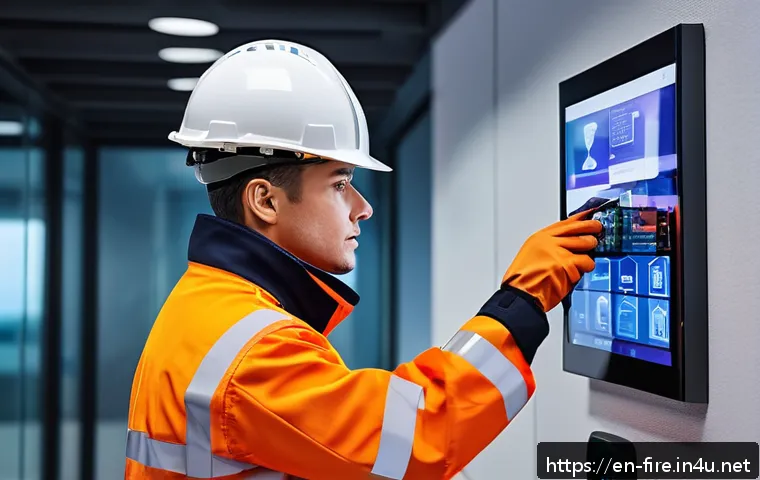
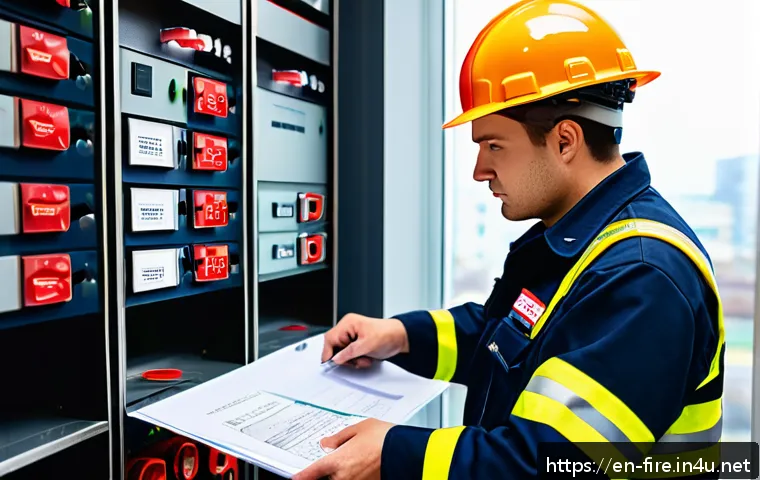
Effective fire safety management is crucial in protecting lives and property, especially in environments where risks are high and regulations are strict.
Achieving goals in this field requires a strategic approach that balances prevention, preparedness, and response. From understanding fire hazards to implementing robust safety protocols, every step plays a vital role.
Drawing from real-world practices and evolving technologies, professionals can enhance their ability to minimize incidents. Let’s dive deeper into the strategies that make fire safety management not only effective but also adaptable in today’s fast-changing landscape.
I’ll walk you through the key points to help you master this essential responsibility.
Building a Culture of Fire Awareness and Prevention
Engaging Employees Through Continuous Education
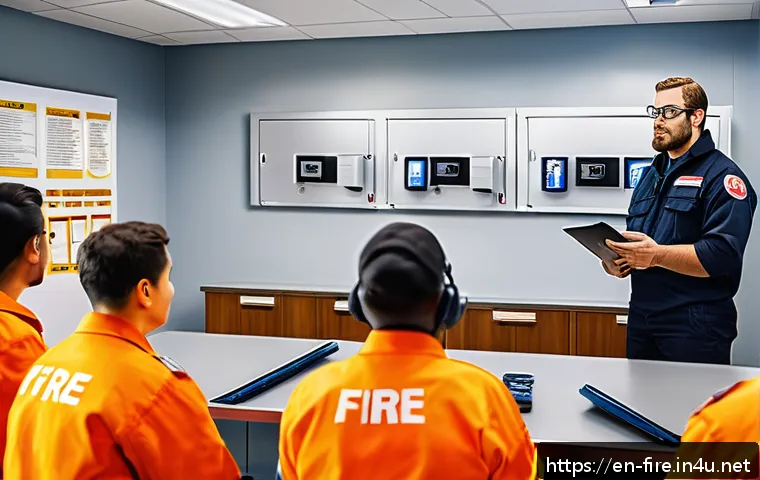
Creating a fire-safe environment starts with every individual knowing their role. I’ve found that regular training sessions—whether through interactive workshops or quick, focused drills—really stick with people.
It’s not just about ticking a compliance box; it’s about embedding fire safety into daily routines. When employees understand why fire prevention matters, they’re more likely to spot hazards and act proactively.
For example, in one of the facilities I worked with, adding short, monthly “fire facts” to the team newsletter sparked conversations and awareness that lasted well beyond the training sessions.
Developing Clear and Practical Fire Safety Policies
Policies can sometimes feel like dry paperwork, but when they’re crafted with real-world situations in mind, they become invaluable. I always recommend involving frontline staff in policy development because they offer insights that managers might overlook.
Clear signage, accessible fire exits, and defined responsibilities during emergencies make a huge difference. Plus, policies should be living documents—regularly updated to incorporate new technologies or changes in the workspace.
When everyone knows exactly what to do and why, the risk of confusion during a fire emergency drops significantly.
Incentivizing Safe Behavior to Reinforce Good Practices
Rewarding good fire safety habits might sound simple, but it works wonders. I remember a company that introduced a “Fire Safety Champion” program, recognizing individuals who reported hazards or suggested improvements.
This not only motivated employees but also created friendly competition that kept fire safety top of mind. Incentives don’t have to be extravagant; even small tokens or public acknowledgments can build a positive culture where safety is valued and practiced consistently.
Implementing Cutting-Edge Fire Detection and Suppression Technologies
Smart Sensors for Early Fire Detection
Technology has transformed fire safety, especially with smart sensors capable of detecting smoke, heat, or even unusual gas concentrations faster than traditional alarms.
In my experience, integrating these sensors with building management systems allows for instant alerts and quicker responses. For example, some systems can notify fire departments automatically, which shaves off critical response time.
When choosing sensors, consider environmental factors like humidity or dust, which might trigger false alarms; selecting the right technology tailored to your facility is key.
Advanced Suppression Systems Beyond Sprinklers
While sprinklers remain a cornerstone of fire suppression, new systems like clean agent fire suppression or water mist systems offer effective alternatives, especially for sensitive areas like data centers or museums.
I’ve seen companies successfully deploy inert gas systems that extinguish fires without damaging equipment. Choosing the right suppression technology depends on the type of fire risk present—whether it’s electrical, chemical, or combustible materials—and the potential impact of suppression agents on people and property.
Remote Monitoring and Integration with Emergency Protocols
Modern fire safety systems aren’t just standalone devices anymore. They’re integrated with remote monitoring platforms that provide real-time status updates and diagnostics.
This integration means maintenance issues can be spotted before they cause system failures. Plus, linking detection and suppression systems with emergency protocols—like automatic door releases or evacuation alerts—creates a seamless safety net.
In one project, this integration dramatically reduced false alarms and improved evacuation efficiency during drills.
Conducting Thorough Risk Assessments and Regular Audits
Identifying Fire Hazards with a Hands-On Approach
Risk assessments are more than checklists; they require a keen eye and practical experience. I always recommend walking through the entire facility, involving different departments to uncover hidden hazards.
For example, a storage room that looks safe might contain improperly stacked flammable materials. Using a multidisciplinary team helps catch these nuances and fosters a shared responsibility for safety.
Documenting findings clearly and prioritizing risks ensures focused action plans.
Leveraging Data for Targeted Safety Improvements
Collecting and analyzing incident reports, near-misses, and audit results reveals patterns that might otherwise go unnoticed. I once helped implement a system that tracked minor fire-related incidents across multiple sites.
The data showed recurring issues with faulty electrical equipment in certain areas, prompting targeted maintenance and training. This data-driven approach allows you to allocate resources efficiently and measure the effectiveness of safety interventions over time.
Scheduling and Following Up on Audits to Maintain Compliance
Regular audits keep fire safety programs sharp and compliant with evolving regulations. What I’ve learned is that audits should be scheduled but also surprise inspections can uncover real-time compliance gaps.
Following up on audit findings with clear deadlines and accountability ensures that improvements aren’t just promised but delivered. Creating a transparent reporting system where everyone can track progress fosters trust and continuous engagement.
Emergency Preparedness Through Realistic Drills and Communication
Designing Drills That Reflect Actual Scenarios
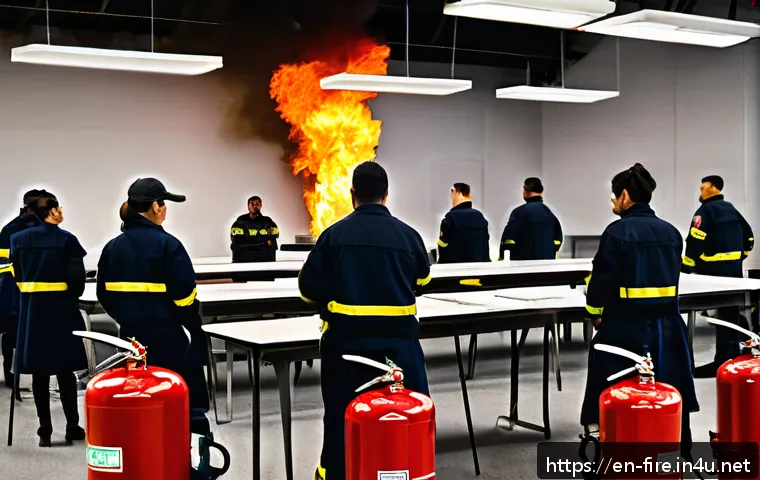
Drills often feel routine and predictable, but making them realistic changes everything. I’ve worked with teams that simulated power outages during fire drills or blocked primary exits to force alternative evacuation routes.
These scenarios uncover weaknesses in plans and train people to think on their feet. The more you can mimic real conditions, the better prepared everyone will be when it counts.
Clear Communication Channels for Crisis Situations
During a fire emergency, confusion can cost lives. Establishing clear, redundant communication channels—from PA systems to mobile alerts—helps keep everyone informed and calm.
In one facility, we set up a tiered communication plan that included automatic alerts to supervisors and manual check-ins with employees. This multi-layered approach ensured no one was left in the dark and helped coordinate evacuation smoothly.
Post-Drill Reviews to Foster Continuous Improvement
After-action reviews turn drills into learning opportunities. I’ve seen teams gather immediately after exercises to discuss what went well and what didn’t.
This honest feedback loop builds trust and highlights practical improvements, such as adjusting assembly points or updating evacuation maps. Documenting these insights and sharing them across departments encourages a culture where safety evolves with experience.
Integrating Fire Safety with Overall Workplace Safety Programs
Aligning Fire Safety Goals with Occupational Health and Safety
Fire safety doesn’t exist in isolation. Integrating it with broader workplace safety initiatives ensures a holistic approach. For example, handling hazardous materials safely reduces fire risks and supports chemical safety programs.
When teams see fire safety as part of overall well-being, they engage more fully. I’ve noticed that cross-training in fire and general safety topics creates versatile safety champions who can spot a wider range of hazards.
Cross-Functional Teams for Comprehensive Risk Management
Bringing together experts from maintenance, security, operations, and safety creates a powerful team to tackle fire risks. These cross-functional teams share knowledge and coordinate efforts, which prevents gaps that often happen when departments work in silos.
In practice, this means regular meetings to review safety data, update protocols, and plan drills—making sure fire safety is woven into every aspect of operations.
Utilizing Technology to Streamline Safety Reporting
Digital platforms for safety reporting improve transparency and speed up issue resolution. I’ve implemented mobile apps that allow employees to report fire hazards instantly with photos and location data.
This immediacy helps safety managers prioritize and address risks before they escalate. Plus, centralized data makes it easier to generate compliance reports and track trends over time, keeping management informed and engaged.
Ensuring Compliance with Regulations and Industry Standards
Staying Up-to-Date with Local Fire Codes
Fire regulations change frequently, and keeping pace can be challenging. I’ve learned that subscribing to industry newsletters and maintaining close relationships with local fire authorities helps stay ahead.
Understanding not just what the rules are but why they exist allows you to implement them more effectively. Compliance isn’t just about avoiding fines—it’s about protecting lives and assets.
Preparing for Inspections with Thorough Documentation
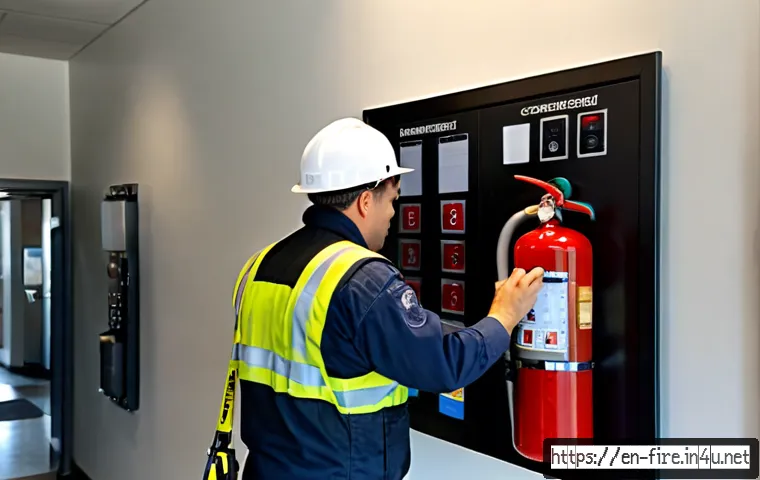
When fire inspectors arrive, having organized and accessible documentation makes a huge difference. I always recommend maintaining logs of maintenance, training, drills, and risk assessments in a centralized system.
This readiness reduces stress during inspections and demonstrates a serious commitment to fire safety. It also helps identify any gaps before regulators do.
Benchmarking Against Industry Best Practices
Looking beyond minimum requirements and benchmarking against industry leaders elevates fire safety programs. I’ve attended conferences where sharing case studies and innovations inspired improvements that wouldn’t have been obvious otherwise.
Benchmarking fosters a mindset of continuous improvement and innovation, ensuring your fire safety management stays ahead of emerging risks.
| Key Aspect | Best Practice | Benefit |
|---|---|---|
| Employee Training | Regular, interactive sessions with real-life scenarios | Improved hazard recognition and proactive behavior |
| Technology Integration | Smart sensors and remote monitoring systems | Faster detection and response, reduced false alarms |
| Risk Assessments | Multidisciplinary walkthroughs and data-driven analysis | Targeted risk mitigation and resource allocation |
| Emergency Drills | Realistic simulations with post-drill reviews | Enhanced preparedness and continuous improvement |
| Policy Development | Inclusive, practical policies with regular updates | Clear guidance and consistent compliance |
| Compliance Management | Up-to-date documentation and benchmarking | Regulatory adherence and program excellence |
글을 마치며
Building a strong culture of fire awareness and prevention is essential for any workplace aiming to protect its people and assets. Through continuous education, practical policies, and the latest technology, organizations can significantly reduce fire risks. It’s clear from experience that involving employees and fostering open communication creates a more resilient environment. Prioritizing fire safety not only ensures compliance but truly saves lives.
알아두면 쓸모 있는 정보
1. Regular fire safety training that includes interactive and realistic scenarios greatly improves employee engagement and hazard recognition.
2. Incorporating smart fire detection technology can reduce false alarms and speed up emergency response times.
3. Conducting thorough, hands-on risk assessments with cross-functional teams uncovers hidden dangers that might be overlooked.
4. Realistic emergency drills paired with post-drill reviews foster continuous learning and improve evacuation effectiveness.
5. Keeping fire safety policies up to date and aligned with overall workplace safety strengthens compliance and operational coherence.
중요 사항 정리
Creating an effective fire safety culture requires ongoing commitment to education, technology integration, and clear communication. Engaging employees through practical training and incentives encourages proactive safety behavior. Utilizing advanced detection and suppression systems tailored to specific risks enhances protection without disrupting operations. Regular risk assessments and audits ensure hazards are identified and addressed promptly, while realistic drills prepare everyone for emergencies. Finally, maintaining compliance through organized documentation and benchmarking against best practices secures both regulatory adherence and continuous improvement.
Frequently Asked Questions (FAQ) 📖
Q: What are the most effective strategies for preventing fires in high-risk environments?
A: Preventing fires in high-risk settings involves a combination of thorough risk assessments, strict adherence to safety codes, and ongoing employee training.
From my experience, regularly inspecting electrical systems and machinery can catch potential hazards before they escalate. Implementing clear housekeeping policies to reduce combustible materials also makes a huge difference.
Additionally, integrating advanced detection technologies like smoke and heat sensors helps in early identification, giving teams precious time to act.
Prevention isn’t just about rules—it’s about creating a culture where everyone stays vigilant and proactive.
Q: How can organizations ensure they are prepared to respond quickly and effectively when a fire occurs?
A: Preparation hinges on detailed planning and regular drills. I’ve found that having a well-documented emergency response plan, tailored to the specific layout and risks of your facility, is critical.
This plan should be communicated clearly to all staff, with roles and responsibilities defined. Conducting realistic fire drills multiple times a year helps people react instinctively rather than hesitating in a crisis.
Equipping the workplace with accessible fire extinguishers, alarm systems, and evacuation routes, and ensuring everyone knows how to use them, greatly improves response time and effectiveness.
Q: How do evolving technologies impact fire safety management today?
A: Technology has transformed fire safety management by enabling faster detection and smarter responses. For instance, I’ve seen buildings use AI-powered surveillance cameras that can spot smoke or unusual heat patterns earlier than traditional methods.
Smart sprinkler systems now adjust water flow based on the size and location of the fire, reducing damage. Mobile apps that provide real-time alerts and guidance during emergencies also enhance communication.
Staying updated with these innovations not only boosts safety but can also reduce insurance costs and downtime after incidents. Integrating tech with human expertise creates a powerful defense against fire risks.