Hey everyone! As someone who’s seen firsthand the chaos and devastation a single oversight in fire safety can cause, I know the real-world headaches that come with managing complex regulations and ever-evolving risks.
It’s not just about compliance anymore; with smart building technologies, AI-powered systems, and the increasing frequency of extreme weather events, fire safety management has become a dynamic puzzle, demanding innovative solutions.
From navigating tough inspections to ensuring your team is truly prepared for the unexpected, we’re all looking for those game-changing strategies that don’t just tick boxes but genuinely protect lives and assets.
Let’s dive into some practical, cutting-edge problem-solving strategies that I’ve personally found incredibly effective, making your fire safety plan robust and future-proof.
Let’s find out exactly how to tackle these challenges head-on and make our workplaces and communities safer, smarter, and more resilient.
Embracing Intelligent Systems for Proactive Detection
Beyond Traditional Alarms: Smart Sensing and IoT Integration
It’s genuinely wild how far technology has come, isn’t it? I remember when fire safety just meant a smoke detector that screamed at the first hint of burnt toast.
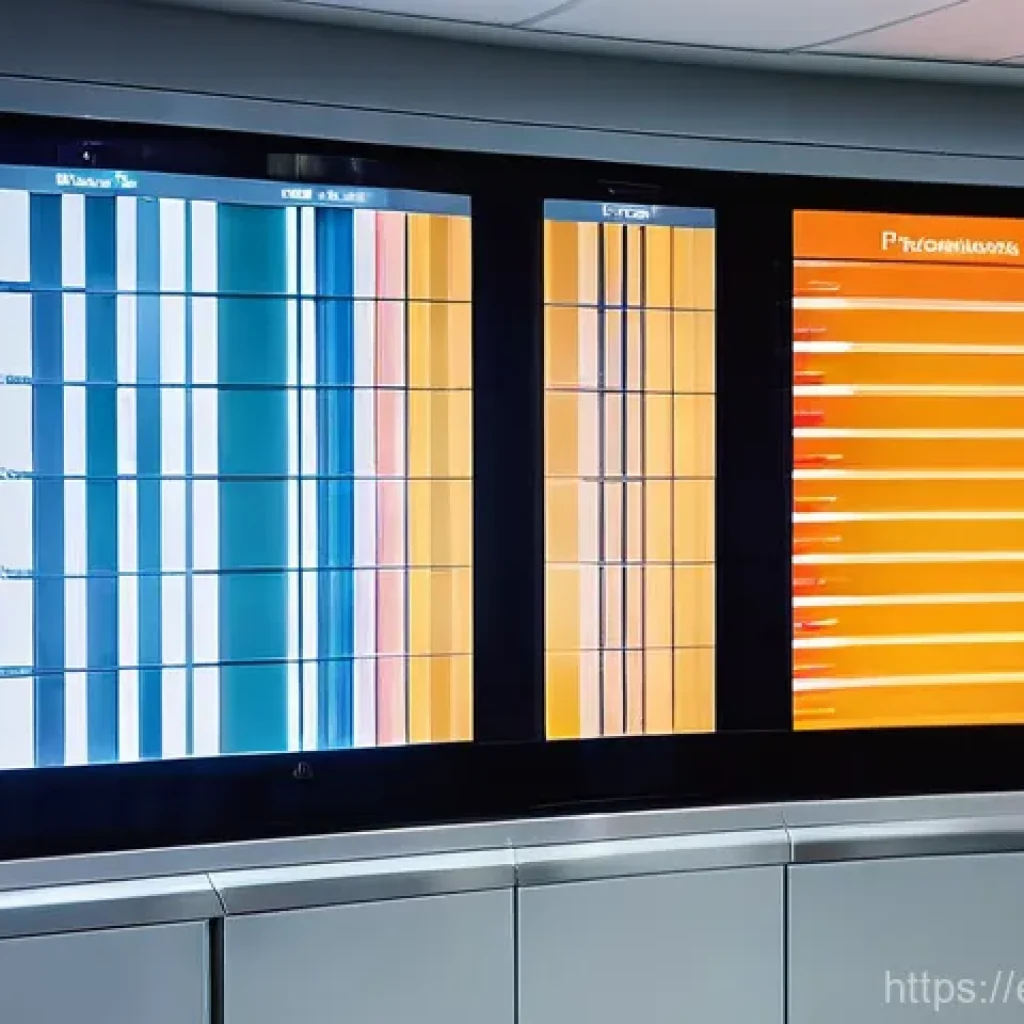
But now? We’re talking about intelligent fire alarm systems that are a far cry from those old-school screeched alarms. These aren’t just detecting smoke; they’re packed with advanced sensors and IoT capabilities, giving us a real-time pulse on our facilities.
Imagine sensors monitoring everything from heat and specific gas emissions to humidity levels, all communicating back to a central hub. This isn’t science fiction anymore; it’s what modern smart buildings are integrating, significantly reducing those annoying false alarms that used to plague us.
What I’ve found personally is that this real-time data stream, often integrated with building management systems, empowers us to make lightning-fast decisions.
It’s about getting alerts directly to your smartphone or the building manager’s console, which frankly, has been a game-changer for speeding up response times.
Early detection isn’t just a buzzword; it’s the difference between a minor incident and a full-blown catastrophe. Think about it: catching a potential issue when it’s just a slight temperature anomaly or a subtle change in air quality, rather than waiting for visible smoke or flames, can literally save lives and millions in property damage.
AI and Predictive Analytics: Forecasting Risks Before They Ignite
This is where it gets really exciting, and honestly, a bit mind-blowing. The concept of “predictive analytics” in fire safety sounds super high-tech, and it is, but its practical applications are incredibly down-to-earth and effective.
AI-driven models are transforming how we approach fire prevention by crunching vast amounts of data – think historical weather patterns, building structures, materials, and even real-time sensor inputs – to forecast potential hazards before they even think about igniting.
I’ve seen firsthand how these systems can monitor equipment performance, adjusting risk scores based on usage patterns, allowing maintenance to be scheduled proactively before something fails catastrophically.
It’s like having a crystal ball, but one backed by serious algorithms. For example, some models can even incorporate weather forecasts to adjust fire danger ratings for buildings in high-risk zones, triggering additional precautions during periods of extreme risk.
This isn’t about replacing human intuition; it’s about augmenting it with incredible processing power to spot patterns and anomalies that we might otherwise miss.
Imagine getting a heads-up about a potential electrical fault or an overheating component before it even causes a spark. That’s the power of AI in fire safety, moving us from reactive firefighting to truly proactive prevention.
Cultivating a Resilient Safety Culture
Beyond Compliance: Embedding Safety as a Core Value
It’s easy to look at fire safety as just another box to tick for compliance, right? But from what I’ve experienced, that mindset is a recipe for disaster.
Real fire safety isn’t just about meeting the bare minimum; it’s about embedding safety deep into the DNA of your organization. It’s about building a culture where every single person, from the CEO to the newest intern, understands that their actions contribute to – or detract from – overall safety.
When leaders genuinely champion fire safety, allocating resources for top-tier training, equipment, and infrastructure, it sends a powerful message that resonates throughout the entire workforce.
I’ve observed that when employees feel that management truly prioritizes their well-being, their morale and productivity actually increase, and they become more engaged in safety practices themselves.
It moves from being a “rule” to a “value,” influencing every decision, big or small. This proactive approach not only mitigates risks but also significantly enhances a company’s reputation and trust among all stakeholders.
It’s a commitment that transcends mere legal or ethical obligations; it’s simply good business sense.
Engaging Employees Through Innovative Training and Drills
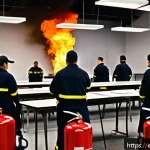
Let’s be real, traditional fire safety training can be as dry as toast. Long lectures and boring presentations? They make it tough for anyone to truly absorb critical information, and trust me, in an emergency, you need everyone to know what to do without a second thought.
This is where innovation in training really shines. My advice? Make it interactive, make it relevant, and make it hands-on.
Think about role-playing scenarios tailored to your specific workplace – what if a server room catches fire? What if a kitchen appliance flares up? Gamification can also work wonders, transforming quizzes and escape room-style challenges into engaging ways to reinforce learning.
Showing, rather than just telling, is key here. I’ve found that physical demonstrations, like actually using a fire extinguisher in a controlled environment, stick with people far more than just reading instructions.
Visual aids, real-life stories from firefighters, and even mock drills that simulate emergencies are incredibly effective at preparing teams for the unexpected.
And let’s not forget feedback! Regular surveys and refresher sessions keep the learning continuous and ensure the training evolves with new risks. It’s about creating a living, breathing safety education program that keeps everyone sharp and ready.
Navigating the Regulatory Landscape with Precision
Demystifying Complex Codes and Standards
Alright, let’s talk regulations. I know, I know, the word “regulation” often conjures images of endless paperwork and mind-numbing jargon. But honestly, mastering this complex web of fire safety regulations is absolutely non-negotiable for keeping everyone safe and your operations running smoothly.
What I’ve learned is that it’s not a one-size-fits-all situation; your responsibilities can vary wildly depending on your location, the type of building you manage, and what kind of activities go on inside.
For instance, in the US, you’re often looking at a patchwork of local fire codes alongside national standards like those from the National Fire Protection Association (NFPA).
The key is to get intimately familiar with *your* specific requirements. This means understanding not just *what* the rules are, but *why* they exist, which really helps in developing a robust fire prevention strategy.
Don’t be afraid to lean on experts, either. Fire safety consultants and local authorities can be invaluable resources for clarifying guidelines and ensuring you’re on the right track.
The Indispensable Role of Risk Assessments and Documentation
If you’re not regularly assessing your fire risks, you’re essentially flying blind. A comprehensive fire risk assessment isn’t just a regulatory checkbox; it’s your roadmap to identifying potential hazards, evaluating their likelihood, and then putting concrete measures in place to mitigate them.
From faulty wiring to improper storage of flammable materials or even common kitchen hazards, knowing your risks is the first step to preventing fires.
And once you’ve done the assessment, the next critical step is meticulous documentation. I can’t stress this enough: detailed records of your risk assessments, safety policies, training sessions, fire drills, and equipment maintenance aren’t just for showing compliance during an inspection.
They’re a living history of your safety efforts, crucial for reviewing and continually improving your strategies. It helps you spot recurring issues and track the effectiveness of your preventative measures.
Think of it as your safety journal, where every entry makes your facility just a little bit safer.
Future-Proofing Through Strategic Investments
Smart Building Technology: A Foundation for Resilient Operations
When I think about future-proofing fire safety, my mind immediately jumps to smart building technology. It’s not just a fancy add-on anymore; it’s quickly becoming the backbone of truly resilient fire protection.
We’re talking about everything from automated sprinklers that activate only where needed, minimizing water damage, to IoT sensors that monitor everything from temperature and smoke density to gas levels in real-time.
The integration of these systems means that when a fire threat is detected, not only do alarms sound, but doors can automatically lock or unlock for controlled evacuation, HVAC systems can adjust, and even emergency services can be notified instantly with precise location data.
This level of automation and interconnectedness drastically improves emergency response times and can make a monumental difference in limiting fire spread and protecting lives.
It’s about creating an intelligent ecosystem that can react faster and more effectively than any human-driven response alone.
Calculating the ROI: Safety as a Smart Financial Move
Let’s be honest, budget is always a consideration. But what if I told you that investing in advanced fire protection systems isn’t just a cost, it’s a strategic financial decision with a hefty return on investment?
My experience tells me that many businesses underestimate the true cost of a fire – not just property damage, but business interruption, lost revenue, legal penalties, and reputational damage.
A fire can easily wipe out years of hard work. The National Fire Protection Association (NFPA) actually estimates that every dollar spent on fire prevention can save an estimated $5 in potential losses.
That’s a 400% ROI on preventative maintenance alone, according to some research! Here’s a quick look at how these investments pay off:
| Investment Area | Direct Financial Benefit | Indirect Benefits |
|---|---|---|
| Smart Fire Detection & Alarms | Reduced property damage, lower insurance premiums | Faster response, minimal business interruption, enhanced safety reputation |
| Automated Sprinkler Systems | Significantly reduced fire loss (e.g., 62% lower average loss per fire with sprinklers) | Less water damage compared to manual firefighting, business continuity |
| Preventative Maintenance | Avoidance of emergency repair costs (up to $5 saved for every $1 invested) | Extended equipment life, regulatory compliance, peace of mind |
| Employee Training & Engagement | Reduced incidents due to human error, potential for lower insurance rates | Improved morale, increased productivity, stronger safety culture |
Beyond the tangible savings, you’re also looking at potential reductions in insurance premiums – sometimes significantly – because insurers see you as a lower risk.
It’s not just about ticking a box; it’s about building resilience and protecting your most valuable assets: your people and your business continuity.
Innovating with Cutting-Edge Fireproofing and Suppression
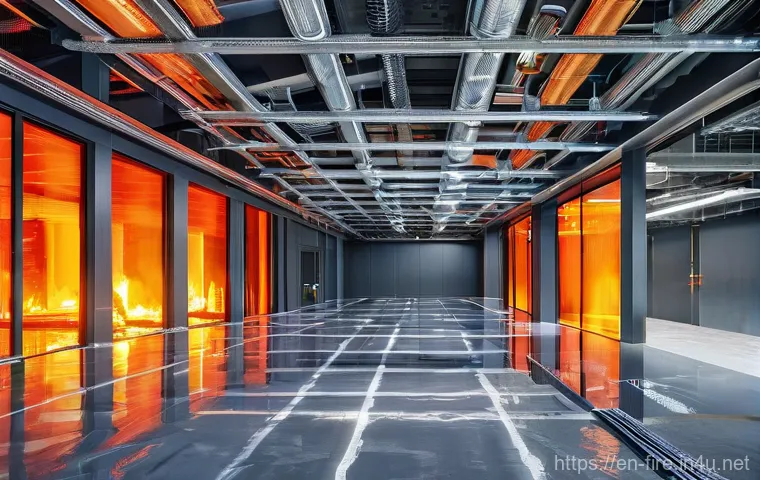
Advanced Materials and Design: Building in Resilience
It’s amazing to see how building materials and architectural design are evolving to become true partners in fire safety. We’re moving beyond just basic fire codes to actively ‘build in’ resilience from the ground up, especially for new constructions.
I’ve been keeping an eye on advancements like intumescent coatings and fire-retardant polymers. These aren’t just passive barriers; they expand under high temperatures to form a protective layer, dramatically slowing the spread of fire and smoke.
Then there’s the use of fire-resistant concrete, specialized glass, and metal roofs, which all contribute to a building’s inherent ability to withstand fire.
We’re also seeing a huge push for compartmentalization within structures, using firewalls and other barriers to confine a fire to the smallest possible area, which buys critical time for evacuation and intervention.
Designing for defensible space, particularly in areas prone to wildfires, by creating buffer zones and using fire-resistant landscaping, is another smart strategy that really makes a difference.
It’s all about making sure the building itself is a formidable first line of defense.
Next-Gen Suppression: Precision and Environmental Responsibility
The evolution in fire suppression is genuinely impressive. Forget the idea that it’s all about drenching an entire area with water. Today’s “clean agent” suppression systems, for example, use specialized gasses that extinguish fires without causing the massive water damage or environmental impact of traditional sprinklers.
This is huge, especially for facilities with sensitive electronics or critical archives, where water damage could be as devastating as the fire itself.
Then there are smart sprinkler systems that can activate with incredible precision, targeting only the affected areas based on sensor data. It’s not just about saving property; it’s about reducing resource waste and minimizing business disruption.
And for those really tough, rapidly evolving risks, like lithium-ion battery fires – a growing concern with EVs and energy storage – we’re seeing specialized water mist systems and targeted suppression agents emerge.
Some even integrate with IoT to allow for proactive deployment. It’s a continuous innovation loop, driven by the need for more effective, environmentally responsible, and damage-limiting fire control.
Empowering Your Team: The Human Factor in Fire Safety
Beyond Drills: Creating Genuine Preparedness
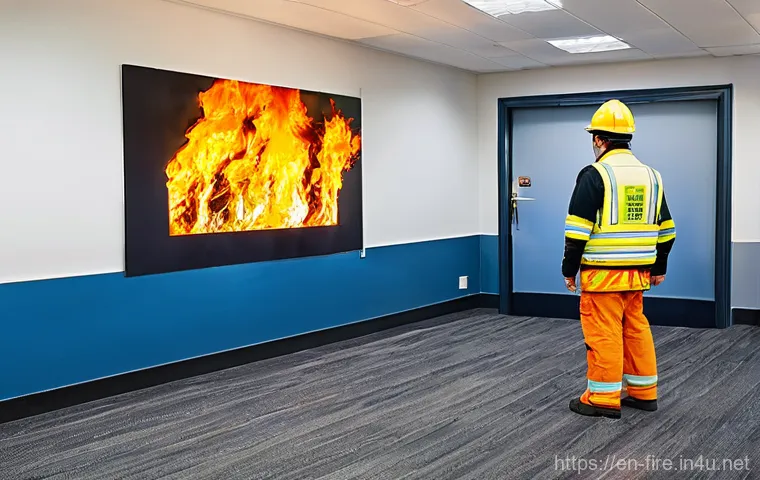
Let’s be honest, fire drills can sometimes feel like a formality, right? But for me, they’re a vital piece of the puzzle, and when done right, they can mean the difference between panic and an orderly, safe evacuation.
It’s about moving beyond just ticking the box to creating *genuine preparedness* in every single person. I’ve found that the best drills aren’t just about speed; they’re about clarity and confidence.
Does everyone know their designated assembly point? Can they locate the nearest exit even if their primary route is blocked? Do they understand how to assist someone who might need extra help?
Making drills realistic, perhaps even throwing in unexpected scenarios, helps people think on their feet and reinforces procedures in a way a classroom lecture never could.
It’s about building muscle memory, so that when a real emergency strikes, the response is automatic and effective. Plus, these drills are fantastic opportunities to identify weaknesses in your current plan or areas where communication needs to be improved.
Cultivating Fire Wardens and Safety Champions
You know, it’s not just about having a plan; it’s about having the right people to execute that plan and foster a safety-first mindset every single day.
That’s where fire wardens and safety champions really shine. These aren’t just titles; they’re vital roles within your organization that significantly enhance your fire safety posture.
I’ve always advocated for empowering a dedicated group of individuals who go beyond their regular job duties to become beacons of safety. These folks are trained extensively in emergency procedures, fire extinguisher use, and guiding others during an evacuation.
More than that, they become the eyes and ears on the ground, often spotting hazards or potential risks that management might miss. Their reports should be taken seriously and acted upon promptly, as this validates their role and encourages continued vigilance.
Providing ongoing learning and development opportunities for these champions, through certifications or advanced training, not only keeps them sharp but also reinforces the importance of safety throughout the entire team.
It creates a network of informed and empowered individuals who genuinely care about the well-being of their colleagues, transforming fire safety from a top-down mandate into a shared, collective responsibility.
Seamless Integration: Building a Unified Safety Ecosystem
Bridging Technology and Human Response
In my journey through fire safety, one thing has become crystal clear: the real magic happens when technology and human action work in perfect sync. We’ve got these incredible smart systems now – AI-powered detection, IoT sensors, automated suppression – but they’re only as good as our ability to integrate them seamlessly with our human response protocols.
It’s not about tech replacing people; it’s about tech empowering people. Imagine a scenario where a smart sensor detects an anomaly, AI analyzes it in milliseconds, and immediately alerts your fire wardens, providing them with real-time data on the exact location and nature of the potential fire.
Simultaneously, the system could initiate localized suppression, adjust ventilation, and illuminate the safest evacuation routes. This isn’t just fast; it’s smart.
It significantly reduces the decision-making time in high-stress situations, ensuring a coordinated and efficient response. What I’ve seen is that when information flows effortlessly between automated systems and trained personnel, the outcome is almost always better, leading to minimal damage and, most importantly, saved lives.
Regular Audits and Continuous Improvement: Staying Agile
The world of fire safety is never static, and honestly, neither should your safety plan be. The threats evolve, technology advances, and even building layouts can change over time.
That’s why regular audits and a commitment to continuous improvement are absolutely critical to maintaining an agile and effective fire safety ecosystem.
I’m talking about conducting routine, thorough audits of all your fire protection systems, not just once a year, but continually. Are your smart alarms fully functional?
Are your suppression systems properly maintained? Are your evacuation routes still clear and accessible? These audits should be comprehensive and ideally conducted by certified professionals who are up-to-date with both national and local codes.
But it doesn’t stop there. Beyond the physical checks, it’s about consistently reviewing and updating your protocols to align with any changes in your workplace, equipment, or regulatory landscape.
Remember those training feedback sessions? Use that input! Use near-miss incident logs to identify weaknesses and adapt.
This proactive, adaptive approach ensures your fire safety strategy isn’t just compliant today, but remains robust and future-proof against whatever comes next.
It’s a dynamic process, and staying on top of it gives me real peace of mind.
Wrapping Things Up
Whew, we’ve covered quite a bit, haven’t we? From the mind-blowing advancements in AI and IoT that are literally changing how we detect and prevent fires, to the critical importance of fostering a genuine safety culture within our organizations, it’s clear that fire safety is far more dynamic than it used to be. What I truly hope you take away from all this is that it’s not just about compliance; it’s about a holistic, proactive approach that integrates cutting-edge technology with well-trained, empowered individuals. Investing in smart systems, understanding regulations, and continuously refining our strategies isn’t just a cost; it’s a vital investment in protecting lives, livelihoods, and the future of our businesses. Let’s keep working together to build safer, more resilient environments for everyone.
Useful Information You Should Know
1. Regularly Check Your Detectors: Don’t just set it and forget it! Test your smoke and carbon monoxide detectors monthly, and replace batteries at least once a year. It’s a small task that makes a massive difference, and trust me, you’ll be glad you did when it truly counts.
2. Know Your Exits and Plan Your Escape: In an emergency, every second matters. Make sure everyone in your home or workplace knows at least two ways out of every room and has a designated outdoor meeting point. Practicing this plan annually can save lives, I’ve seen it firsthand how crucial a clear head can be.
3. Keep Flammables Away: Simple but often overlooked! Store flammable liquids, chemicals, and even excess paper products away from heat sources and in appropriate, well-ventilated areas. A little clutter reduction can go a long way in preventing a minor spark from becoming a major blaze.
4. Understand Your Electrical Load: Overloading outlets and extension cords is a common fire hazard. Be mindful of how many devices you’re plugging in and consider consulting an electrician if you suspect your wiring isn’t up to snuff. It’s better to be safe than sorry when it comes to your electrical system.
5. Educate Yourself on Fire Extinguisher Use: Knowing how to properly use a fire extinguisher can contain small fires before they escalate. Familiarize yourself with the ‘PASS’ method (Pull, Aim, Squeeze, Sweep) and know where extinguishers are located. Practical training, even a quick demonstration, really helps build that critical confidence.
Key Takeaways
Modern fire safety is a dynamic blend of advanced technology, proactive risk management, and a deeply embedded safety culture. By embracing intelligent systems like AI and IoT for early detection, fostering genuine preparedness through continuous training and empowered safety champions, and strategically investing in resilient infrastructure, we can move beyond mere compliance. It’s about creating a unified safety ecosystem that integrates innovative solutions with human response, ensuring agility and continuous improvement against evolving threats. Ultimately, prioritizing fire safety isn’t just about avoiding disaster; it’s a smart financial and ethical decision that protects our most valuable assets.
Frequently Asked Questions (FAQ) 📖
Q: How can smart building technologies go beyond basic alarms to genuinely revolutionize fire safety management in today’s complex environments?
A: Oh, this is a question I absolutely love, because it gets right to the heart of proactive safety! When I first started dealing with fire safety, it felt like a constant game of catch-up, reacting to incidents rather than preventing them.
But with smart building tech, we’re finally shifting that paradigm. It’s not just about a smoke detector going off anymore. We’re talking about integrated systems that use AI and machine learning to predict potential issues before they even become a threat.
Imagine sensors that don’t just detect smoke, but also monitor air quality, temperature anomalies, and even abnormal electrical loads in real-time. My personal experience has shown that these advanced systems can pinpoint early signs of overheating wiring or even a faulty appliance, giving you a crucial head start.
What’s really game-changing is how these systems communicate. They can automatically shut down HVAC systems to prevent smoke spread, unlock doors for emergency egress, and even guide occupants to the safest exits using dynamic signage.
I remember one facility I worked with that implemented a smart fire suppression system. Instead of drenching an entire floor, it used pinpointed suppression, minimizing damage and downtime.
Plus, the data these systems collect is invaluable for continuous improvement. It’s like having a super-smart guardian constantly watching over your premises, learning and adapting.
If you’re looking to upgrade, seriously consider a platform that offers real-time monitoring, predictive analytics, and seamless integration with other building management systems.
It’s an upfront investment, sure, but the peace of mind and potential for saving lives and assets? Priceless, in my opinion.
Q: With fire safety regulations constantly evolving and often feeling like a bureaucratic maze, what are your top strategies for staying compliant and truly prepared without getting bogged down?
A: I totally get it – navigating fire safety regulations can feel like trying to solve a Rubik’s Cube blindfolded! I’ve been there, pulling my hair out trying to decipher pages of legalese.
But over the years, I’ve developed a few go-to strategies that have really helped me cut through the noise and stay on top of things, not just for compliance but for genuine safety.
First, don’t try to be a lone wolf. I’ve found that investing in a dedicated fire safety consultant or subscribing to a regulatory update service is an absolute lifesaver.
These pros live and breathe these codes, and their insights can save you countless hours and potential fines. Secondly, make technology your friend. There are some fantastic compliance management software platforms out there that track due dates for inspections, training, and equipment maintenance.
It creates an audit trail automatically, which is incredibly helpful when an inspector walks through the door. Third, and this might sound simple, but it’s powerful: compartmentalize and delegate.
Break down the overarching regulations into smaller, manageable tasks. Assign specific areas of compliance (e.g., extinguisher checks, emergency lighting) to different team members and empower them with training.
When everyone owns a piece of the puzzle, it becomes far less daunting. Finally, I always advocate for proactive engagement with local fire departments.
Build a relationship with them. Invite them for walk-throughs before an official inspection. Their guidance is invaluable, and trust me, having that rapport makes a world of difference when you inevitably have questions or need clarification.
It transforms compliance from a burden into a collaborative effort.
Q: In an era of increasing extreme weather events, how can we make our fire safety plans more resilient and future-proof, ensuring protection even when the unexpected hits?
A: This is such a critical question, and honestly, it keeps me up at night sometimes, thinking about how quickly situations can escalate with unpredictable weather.
“Future-proofing” fire safety isn’t just a buzzword; it’s a necessity. We’ve all seen the news – wildfires exacerbated by droughts, floods taking out essential infrastructure, hurricanes making evacuation routes impassable.
My firsthand observation is that a “set it and forget it” approach to fire safety is just not viable anymore. The key here is building redundancy and adaptability into every layer of your plan.
First, consider off-grid power solutions for critical fire safety systems. Think generators with ample fuel reserves or even solar battery backups for your alarm systems, emergency lighting, and communication devices.
What happens if the power grid goes down for days? You need those systems to function. Second, diversify your communication strategies.
Relying solely on cell towers during a widespread emergency is a recipe for disaster. Explore satellite phones, two-way radios, and pre-arranged communication trees with designated check-in points.
I once dealt with a situation where traditional lines were down, and having a satellite phone was the only way we could coordinate with emergency services.
Third, and this is often overlooked, is strengthening your building’s physical resilience to weather. Can your roof withstand high winds that might damage sprinkler lines?
Are your outdoor fire hydrants protected from freezing temperatures or floodwaters? It’s about thinking beyond just the fire itself and considering the environmental factors that can compromise your response.
Finally, and perhaps most importantly, your team needs to be trained for adaptive responses. Drills shouldn’t just be about a standard fire alarm. Run scenarios that include power outages, blocked exits due to debris, or limited access for first responders.
Encourage critical thinking and improvisation within established safety parameters. By embracing these challenges in training, you’re not just ticking a box; you’re truly preparing your people to react effectively when Mother Nature throws a curveball.
It’s all about creating a robust, multi-layered defense that can bend without breaking under pressure.